

Kitchen sink odors are a common nuisance in households, not just in Dallas but everywhere. They can transform your cozy kitchen into a source of discomfort, making meal prep a less enjoyable task. Identifying the root cause of these odors is the first step to reclaiming your space’s freshness. Thankfully, solutions are within reach, promising to restore the pleasant atmosphere of your home.
From Richardson to Dallas, residents often face the challenge of persistent kitchen sink odors. These smells can originate from various sources, such as food remnants, grease buildup, or even issues with plumbing. Understanding the specific cause is crucial for effectively addressing the problem. This ensures that the chosen solution not only masks the smell but eliminates it at its source.
Professional plumbing services, like Benjamin Franklin Plumbing, specialize in diagnosing and resolving such issues. They employ a range of proven techniques, from cleaning P-traps to addressing venting issues and removing biofilm. These methods tackle the underlying problems, offering a long-term fix rather than a temporary cover-up. Engaging experts ensures that the job is done right, preventing future occurrences of unpleasant odors.
Addressing kitchen sink odors not only improves the air quality in your home but also enhances your overall living environment. Whether you’re in the bustling city of Dallas or the quiet streets of Richardson, a fresh and odor-free kitchen is essential for a comfortable home. By understanding the causes and seeking professional help, you can say goodbye to kitchen sink odors for good.
Understanding the Causes of Kitchen Sink Odors
Kitchen sink odors often stem from simple issues that homeowners overlook. For instance, food particles and grease can accumulate in the sink drain, leading to unpleasant smells. Regular use without proper cleaning allows these substances to build up, creating an ideal environment for bacteria to thrive. This bacterial growth is a primary source of the odors that permeate your kitchen.
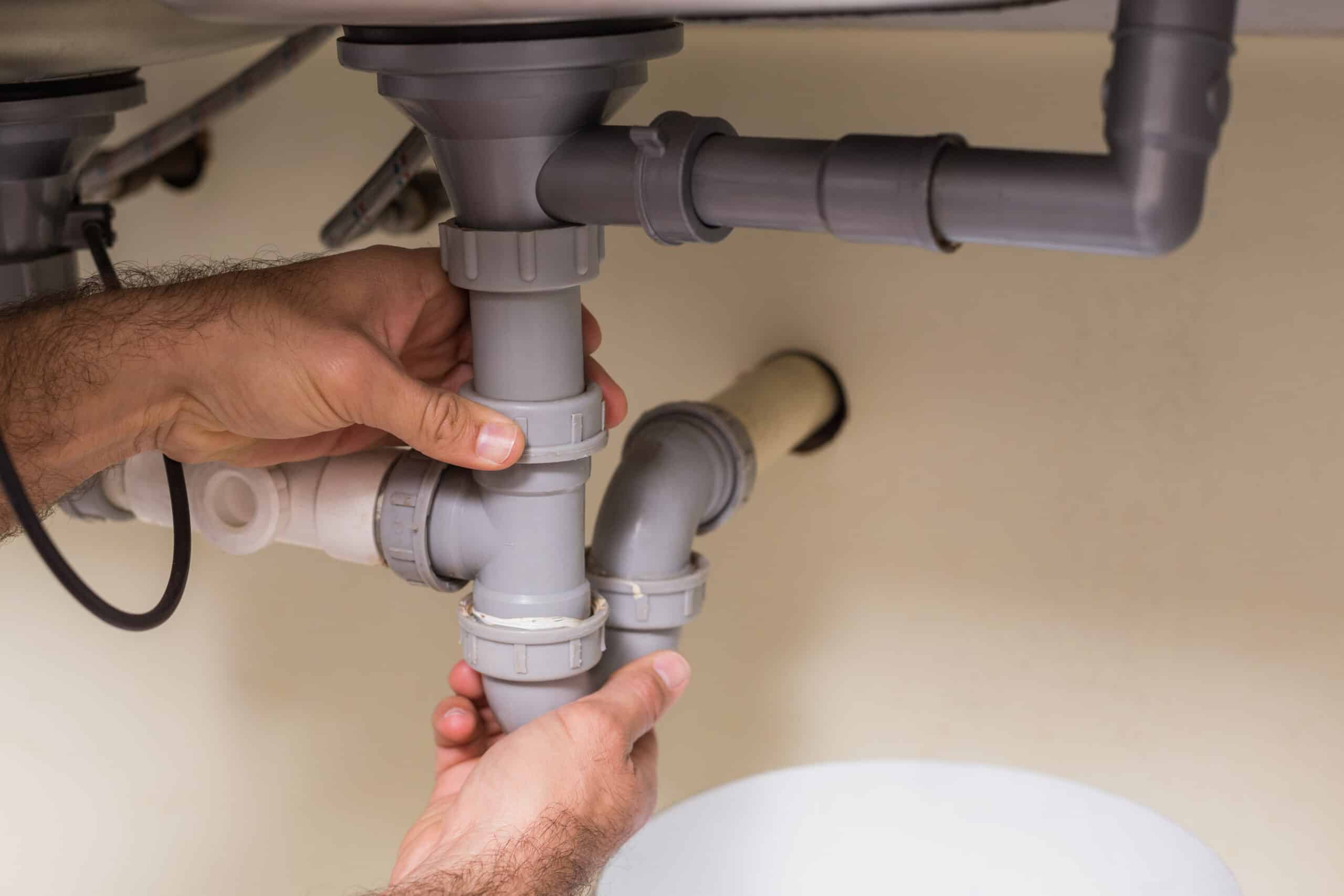
Another common culprit behind kitchen sink odors is a clogged or improperly functioning P-trap. This U-shaped pipe under the sink is designed to hold water, forming a seal that prevents sewer gases from entering the home. However, when it becomes dry or clogged with debris, it fails to block these gases, allowing them to escape into your kitchen. Regular checks and cleaning can ensure the P-trap performs its role effectively.
Venting issues can also lead to persistent odors in the kitchen. Proper venting helps sewer gases escape through the roof rather than back into the home. When vents are blocked or improperly installed, these gases can find their way into your kitchen, contributing to the problem. Dallas homeowners should ensure their plumbing systems are vented correctly to avoid this issue.
Lastly, biofilm build-up in drains is a significant contributor to kitchen sink odors. This slimy layer forms when bacteria, food particles, and other debris adhere to the sides of pipes. Over time, it can produce a foul smell that is hard to ignore. Regularly cleaning your sink with biofilm-targeting solutions can help maintain a fresh-smelling kitchen in both Dallas and Richardson homes.
The Role of P-Traps in Preventing Sink Smells
Understanding the role of P-traps in your kitchen sink setup is crucial for preventing odors. These fixtures trap a small amount of water, creating a seal against sewer gases. When functioning properly, they effectively block these gases from entering your home. Ensuring your P-trap is not dry or clogged is a simple yet effective step toward maintaining a fresh kitchen.
Over time, the effectiveness of a P-trap can diminish due to neglect or misuse. Regularly pouring hot water down the drain can help clear out any potential blockages. This practice also prevents the accumulation of grease and food particles that could disrupt the water seal. Dallas residents will find this tip particularly useful for keeping kitchen sink odors at bay.
However, if kitchen sink odors persist, it might indicate a deeper issue with the P-trap. A professional plumber can assess whether it needs cleaning or replacement. In Richardson, for example, the water composition might contribute to faster buildup in pipes, necessitating more frequent checks. Engaging with professionals ensures that your plumbing system functions optimally, preventing odors from arising.
Lastly, incorporating a routine check of your P-trap into your kitchen cleaning schedule can significantly reduce the likelihood of unpleasant smells. This habit, coupled with mindful sink use, lays the foundation for a consistently odor-free kitchen. By understanding and caring for this critical component, homeowners can enjoy a fresher, more welcoming kitchen environment.
How to Clean Your Sink to Eliminate Odors
To effectively eliminate kitchen sink odors, starting with a thorough cleaning of your sink is essential. Daily activities can leave behind food particles and grease, which contribute to unpleasant smells. Incorporating a regular cleaning routine, including rinsing with hot water and a mild detergent, can significantly reduce these odor sources. This simple yet effective method ensures that your kitchen remains fresh and inviting, making it a more enjoyable space for cooking and gathering.
In addition to regular cleaning, focusing on the disposal of waste is crucial in combating kitchen sink odors. It’s advisable to avoid letting food scraps go down the drain whenever possible. Instead, use a sink strainer to catch solids and dispose of them in the trash or a compost bin. This practice prevents the accumulation of debris that can lead to odors and keeps your sink cleaner for longer periods.
For a deeper clean that targets stubborn odors, consider using natural cleaners like baking soda and vinegar. This combination is effective in breaking down grease and eliminating biofilm without the harshness of chemical cleaners. Pouring a cup of baking soda followed by a cup of vinegar down the drain creates a fizzing action that helps to clean the pipes. After letting it sit for an hour, flushing the drain with boiling water can leave your sink smelling fresh and clean.
Lastly, it’s beneficial to schedule periodic professional cleanings to maintain an odor-free kitchen sink. Professionals have the tools and expertise to address issues that home remedies cannot, such as deep-seated biofilm or venting problems. Residents of Dallas and Richardson can rely on such services to ensure their kitchen remains a welcoming space free of unpleasant odors. By combining daily maintenance with professional support, you can effectively eliminate kitchen sink odors and enjoy a cleaner, fresher kitchen.
The Importance of Proper Venting to Avoid Kitchen Sink Odors
Proper venting plays a crucial role in preventing kitchen sink odors, a fact often underestimated by homeowners. A well-ventilated system allows sewer gases to escape through the roof, rather than seeping into your kitchen. If vents are blocked or improperly installed, gases can build up and contribute to the unpleasant smells. Ensuring that your plumbing system is correctly vented is a key step towards maintaining a fresh-smelling kitchen in Dallas.
In Richardson, the complexity of local building codes can make venting a challenge for some homeowners. It’s important to have your venting system checked by professionals who understand the specific requirements. They can identify any issues with your current setup and make necessary adjustments. This proactive approach can significantly reduce the risk of kitchen sink odors caused by poor venting.
Another aspect to consider is the impact of weather on your venting system. Extreme weather conditions, common in Texas, can lead to vent blockages from debris or even snow. Regular inspections can prevent these blockages, ensuring that vents remain clear to perform their essential function. Homeowners should not overlook this aspect of kitchen sink maintenance to avoid odors.
Lastly, combining good venting practices with regular cleaning and maintenance of your kitchen sink can create an odor-free environment. This includes addressing any issues with P-traps and ensuring that waste is properly disposed of. By taking these comprehensive steps, residents of Dallas and Richardson can enjoy a kitchen that remains welcoming and free from unpleasant odors, enhancing the overall home environment.
Natural Solutions for Kitchen Sink Odors
Turning to natural solutions for kitchen sink odors offers a safe and effective way to maintain a fresh kitchen environment. Many Dallas homeowners have discovered the power of citrus peels in combating unpleasant smells. Running lemon or orange peels through the garbage disposal can leave a refreshing scent, breaking down grease and food particles without harsh chemicals. This simple practice not only tackles odors but also keeps your disposal blades sharp.
Another eco-friendly approach involves using tea tree oil, known for its strong antimicrobial properties. A few drops of tea tree oil mixed with water and sprayed into the sink and drain can neutralize kitchen sink odors. This natural solution is especially useful in Richardson, where humidity can exacerbate the growth of odor-causing bacteria. The oil’s natural fragrance also adds a clean, pleasant aroma to the kitchen air.
For those dealing with persistent odors, a combination of salt and ice can be remarkably effective. Pouring a cup of ice and half a cup of salt down the drain can clean the disposal blades and remove odor-causing residue. The abrasive action of the ice and salt together scrubs the blades and the interior of the drain, leaving it smelling fresh and significantly reducing kitchen sink odors.
Lastly, maintaining a routine of natural cleaning solutions can prevent the recurrence of unpleasant smells. Incorporating these practices into your kitchen cleaning regimen ensures a consistently odor-free environment. Whether in Dallas or Richardson, embracing these natural solutions can transform your kitchen into a more inviting space, free from the distraction of kitchen sink odors.
When to Call a Professional for Sink Odor Issues
While many kitchen sink odor issues can be resolved with the methods previously discussed, there are times when the situation calls for professional intervention. If you’ve tried various solutions like cleaning with baking soda and vinegar, utilizing citrus peels, or ensuring proper venting and the odors persist, it might indicate a more complex problem. Professionals have the tools and expertise to diagnose and fix underlying issues that home remedies cannot address. Residents of Dallas, facing stubborn kitchen sink odors, should consider reaching out to experts who can provide a lasting solution.
In Richardson, if you notice that the unpleasant smells return quickly after cleaning, it could be a sign of a deeper issue, such as a blockage deep within your plumbing system or a malfunctioning P-trap. These problems often require specialized equipment and knowledge to effectively resolve. Attempting to fix these issues on your own can lead to further complications, making it important to call in a professional plumber who can accurately identify and remedy the source of the odors.
Another scenario where professional help is necessary is when you detect a sewage smell coming from your kitchen sink. This could be a symptom of a serious venting problem or a breach in the sewer line. Such situations not only contribute to kitchen sink odors but also pose health risks. In Dallas, professional plumbers are equipped to handle these complex issues, ensuring that your home remains safe and odor-free.
Lastly, engaging a professional for regular maintenance can prevent the recurrence of kitchen sink odors. They can perform thorough cleanings, check for proper venting, and ensure that all components of your plumbing system are in good working order. For homeowners in Richardson and Dallas, establishing a routine maintenance schedule with a trusted plumbing service can save time and money in the long run, keeping kitchen sink odors at bay and ensuring a pleasant home environment.

Preventing Future Kitchen Sink Odors
Preventing future kitchen sink odors starts with adopting good habits and regular maintenance. By disposing of food waste properly and not down the drain, you can significantly reduce the risk of clogs and buildup that lead to odors. Dallas homeowners can benefit from using a sink strainer to catch solid particles. This simple tool can be a first line of defense against the accumulation of debris that causes unpleasant smells.
Incorporating natural cleaning solutions into your weekly routine can also play a crucial role in keeping odors at bay. For example, flushing your drain with a mixture of vinegar and hot water on a weekly basis can prevent the growth of odor-causing bacteria. This practice, coupled with the occasional use of baking soda, can maintain a fresh and clean smelling kitchen sink. Richardson residents will find this approach not only effective but also environmentally friendly.
Scheduling professional plumbing inspections annually can help identify and rectify potential issues before they lead to odors. A plumber can check for any signs of blockages, malfunctioning P-traps, or venting problems that might not be obvious to the untrained eye. Such preemptive measures ensure that your plumbing system remains in optimal condition, safeguarding your kitchen against future odors.
Lastly, staying informed about the latest cleaning techniques and products can enhance your efforts to maintain an odor-free kitchen sink. Whether in Dallas or Richardson, taking advantage of new and improved methods can make a significant difference. By staying proactive and committed to regular upkeep, you can enjoy a fresh-smelling kitchen free of sink odors.
The Science of Biofilm and Its Role in Sink Smells
Understanding the science behind biofilm is crucial when tackling kitchen sink odors. Biofilm is a slimy layer formed by bacteria that adhere to surfaces in moist environments, like kitchen sinks. In Dallas, the combination of humidity and frequent sink use provides a perfect breeding ground for these bacteria. Regular cleaning can disrupt biofilm formation, but without addressing it directly, the odors will persist.
Biofilm contributes to kitchen sink odors by trapping food particles, grease, and other organic materials. This creates an ongoing source of food for bacteria, allowing them to thrive and produce foul smells. In Richardson, where diverse dietary habits can introduce various organic materials into the sink, the risk of biofilm-related odors is particularly high. Effective removal requires more than just surface cleaning, it demands targeted action against the biofilm itself.
Natural cleaning agents like vinegar and baking soda are not just old wives’ tales, they are scientifically proven to combat biofilm. The acidity of vinegar breaks down the biofilm structure, while baking soda’s abrasive nature scrubs it away. This combination, followed by boiling water, can penetrate and dismantle biofilm in kitchen sinks, addressing odors at their source. Residents in both Dallas and Richardson can benefit from this simple yet effective cleaning routine.
Finally, prevention is always better than cure, especially regarding biofilm and kitchen sink odors. Avoid letting food scraps and grease go down the drain, and use a mixture of hot water, vinegar, and baking soda regularly to prevent biofilm from taking hold. By understanding and combating the formation of biofilm, homeowners can keep their kitchens smelling fresh and clean, free from the unpleasant odors that biofilm can cause.
Frequently Asked Questions
What causes kitchen sink odors?
Kitchen sink odors often stem from food particles trapped in the drain. Over time, these particles break down, creating an unpleasant smell. Regular cleaning can prevent this buildup. Additionally, ensuring proper venting helps eliminate odors by allowing air to flow through the pipes.
How can I prevent sink smells?
To keep your kitchen sink smelling fresh, start with regular drain cleaning. Use a mixture of baking soda and vinegar once a week to break down food particles. Make sure your sink’s venting system is working correctly, as proper airflow prevents odor buildup. Additionally, running hot water through the sink after each use can help clear away any remaining debris, reducing the risk of kitchen sink odors.
Are kitchen sink odors harmful?
Kitchen sink odors are usually not harmful, but they can signal a deeper issue. If the smell persists, it might indicate a problem with your plumbing system that needs attention. Ignoring these odors can lead to more significant issues over time. Therefore, addressing them promptly ensures your kitchen remains a healthy and pleasant environment.
Best cleaners for kitchen sink odors?
For tackling kitchen sink odors, a mix of baking soda and vinegar proves highly effective. This natural solution breaks down residue without harsh chemicals. For tougher smells, enzyme-based cleaners target and eliminate organic matter causing the odor. Lastly, lemon peels ground in the disposal leave a fresh, clean scent, ensuring your kitchen smells pleasant.
Can a plumber fix sink smells?
Yes, a plumber can effectively address kitchen sink odors. They have the tools to clean deeper than home remedies allow, tackling the root cause of smells. Plumbers can also check for and repair any venting issues, ensuring your system breathes properly. Their expertise ensures your kitchen remains fresh and inviting, free from unpleasant odors.