

Ensuring a dry and safe basement in your home starts with proper floor drain installation. This critical component of home plumbing, often overlooked, plays a pivotal role in protecting your property from water damage. For residents in Dallas, TX, and surrounding areas, understanding the basics of placement, trap, vent, and backflow protection is essential. These elements work together to provide reliable drainage, safeguarding your home’s foundation and interior spaces.
When considering floor drain installation, the first step is choosing the right location. Placement is key to effective water management, especially in areas prone to heavy rainfall or flooding. In cities like Frisco, TX, where weather can be unpredictable, a strategically placed floor drain can make all the difference. It’s not just about handling water efficiently but also about ensuring the longevity and safety of your home.
The mechanics of a floor drain, including the trap and vent, are fundamental to its operation. These components prevent sewer gases from entering your home, maintaining a healthy indoor environment. Understanding how these parts work together enhances the efficiency of your floor drain installation. It’s a balance of science and strategy, ensuring that water flows away from your property without any unwanted odors or backflow.
Lastly, backflow protection is a critical aspect of floor drain installation that cannot be overlooked. This safeguard prevents contaminated water from reversing its course and entering your home. Whether you’re in Dallas, TX, or any other city, this protection is vital for maintaining the cleanliness and safety of your basement. With the right knowledge and approach, floor drain installation can provide peace of mind and a drier, safer basement for years to come.
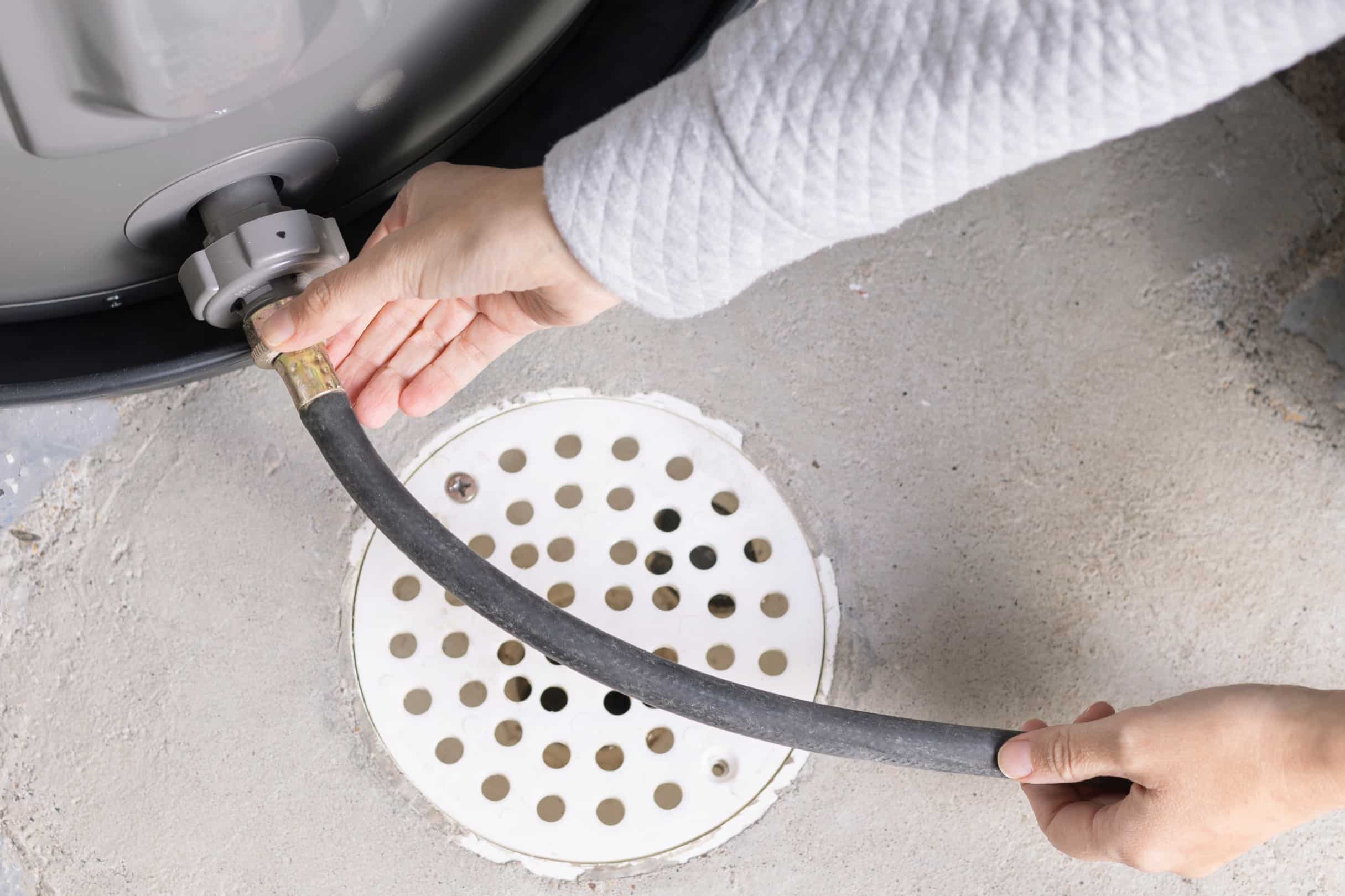
Choosing the Best Location for Floor Drain Installation
Choosing the best location for your floor drain installation is crucial for effective water management in your basement. In Dallas, TX, where sudden heavy rains can occur, placing the drain in the lowest part of your basement ensures water flows towards it naturally. This spot often is where the floor slopes downward, making it the ideal point for collecting and removing water. By directing water efficiently, you protect your home from potential water damage and flooding.
In addition to finding the lowest point, consider the layout of your basement. Areas near washing machines, water heaters, or sinks are prime spots for floor drain installation, as these locations are more prone to leaks or spills. Installing a floor drain nearby can quickly address water issues, keeping your basement dry and reducing the risk of mold growth. This strategic placement not only enhances the functionality of your drain but also contributes to a healthier living environment.
Understanding the importance of a proper trap and vent in your floor drain system is also essential. These components work together to prevent sewer gases from entering your home through the drain. A well-designed trap holds water, creating a seal that blocks gases, while the vent allows air to flow, ensuring the water in the trap doesn’t siphon away. This combination is critical for maintaining a safe and odor-free basement.
Lastly, incorporating backflow protection into your floor drain installation is a safeguard against water contamination. This feature is especially important in areas like Frisco, TX, where heavy rains can overwhelm drainage systems. A backflow valve ensures that any water or sewage that backs up in the system doesn’t enter your home. It’s an extra layer of protection that keeps your basement dry, clean, and safe from pollutants.
Understanding the Basics of Traps and Vents
Understanding the basics of traps and vents is crucial for a successful floor drain installation. The trap, a simple yet effective mechanism, is designed to hold water, creating a barrier that prevents sewer gases from entering your home. This is essential for maintaining a healthy and pleasant living environment. Meanwhile, the vent system plays a complementary role, allowing air to circulate and balance the pressure, ensuring the water in the trap doesn’t evaporate or get siphoned away.
For homeowners in Dallas, TX, incorporating a properly designed trap and vent into your floor drain system is non-negotiable. The trap’s water seal must be maintained to keep out unwanted odors and gases. Regular checks are advisable to ensure the water level is sufficient. On the other hand, the vent should be free from any obstructions to perform its role effectively, allowing for the smooth flow of air and water through your plumbing system.
In areas like Frisco, TX, where the weather can be unpredictable, the reliability of your floor drain’s trap and vent becomes even more critical. A well-installed trap and vent system prevents the backflow of water, protecting your basement from flooding during heavy rains. It’s a safeguard that not only preserves the structure of your home but also keeps the basement dry and usable.
To sum up, the proper installation and maintenance of traps and vents are key components of an effective floor drain system. They work together to ensure that sewer gases stay out of your home while allowing wastewater to exit efficiently. For residents considering floor drain installation, understanding these basics is the first step towards a dry, safe, and comfortable basement.
Incorporating Backflow Prevention in Your Design
Incorporating backflow prevention into your floor drain installation is a crucial step toward ensuring a safer and drier basement. This feature acts as a barrier, stopping water from flowing back into your home during heavy rains or flooding. For homeowners in Dallas, TX, adding a backflow valve can be a game-changer, especially when sudden weather changes threaten to overwhelm local drainage systems. It’s an investment in your property’s integrity, protecting it from the potential hazards of water damage.
Backflow prevention devices are designed to automatically close if water attempts to reverse its flow, effectively keeping your basement dry and clean. This mechanism is particularly important in areas like Frisco, TX, where unexpected weather patterns can lead to sudden flooding. By fitting a backflow preventer, you are taking a proactive step to safeguard your home against the intrusion of contaminated water. It’s a simple yet effective way to enhance the overall efficiency of your floor drain installation.
Regular maintenance of your backflow prevention device ensures it functions correctly when you need it most. Homeowners should periodically check these valves for debris or damage that could prevent them from operating properly. This routine inspection can be the difference between a dry basement and costly water damage repairs. Keeping your backflow preventer in top condition is essential for long-term protection and peace of mind.
Ultimately, incorporating backflow prevention into your floor drain installation is a smart move for any homeowner. It not only secures your basement against the risk of flooding but also contributes to a healthier living environment by preventing the backflow of contaminated water. For residents considering floor drain installation, understanding the importance of backflow prevention is crucial. It’s a step that ensures your home remains dry, safe, and comfortable, regardless of the weather outside.
Step-by-Step Guide to Floor Drain Installation
Starting the process of floor drain installation begins with mapping out the area where the drain will be placed. This is crucial for ensuring that water is directed away from your home efficiently. For those living in Dallas, TX, consulting with a professional can help identify the best location based on your basement’s layout and local water flow patterns. It’s the first step in a series of actions that will lead to a safer and drier basement.
Next, prepare the site for installation by clearing any debris and ensuring the surface is level. This preparation is essential for residents in Frisco, TX, where soil movement might affect the basement’s structure. A clean and stable base will support the drain effectively, preventing future issues. This step sets the foundation for a successful floor drain installation, ensuring it functions as intended.
Installing the drain involves precise work, including cutting into the concrete and laying the pipe correctly. This step requires attention to detail to ensure the drain connects smoothly to your home’s existing plumbing system. Proper installation prevents leaks and ensures efficient water flow, crucial for keeping your basement dry. Each action during this phase contributes to the overall effectiveness of the floor drain system.
Finally, testing the newly installed floor drain is vital to confirm its proper function. Pouring water into the drain should show a quick and unobstructed flow to the sewer. This test, especially important in areas like Dallas, TX, and Frisco, TX, confirms that the installation is successful and your basement is protected against potential water damage. Regular maintenance will keep the floor drain operational, offering peace of mind during heavy rains or floods.
Common Mistakes to Avoid During Installation
When embarking on floor drain installation, one common mistake to avoid is neglecting local building codes and regulations. In Dallas, TX, adhering to these guidelines is crucial for ensuring your installation meets safety and functionality standards. Skipping this step can lead to costly corrections down the line. Always consult with professionals or local authorities to ensure compliance.
Another oversight is underestimating the importance of proper slope for drainage. A floor drain in Frisco, TX, must have a slight incline towards the drain to facilitate water flow. Installing the drain without this consideration can result in standing water, which poses risks of mold and water damage. It’s essential to plan the slope carefully before proceeding with the installation.
Choosing the wrong drain size is also a frequent misstep. A drain that’s too small won’t handle heavy rainfalls effectively, leading to backups and potential flooding. Conversely, a drain that’s too large can be unnecessarily expensive and difficult to install. Assessing the average water volume your basement might face will guide you in selecting the appropriate size.
Lastly, failing to test the floor drain after installation can lead to surprises when it’s too late. Pouring water into the drain to check for proper flow and backflow prevention is a simple yet critical step. This ensures that everything is working as intended, giving you peace of mind that your basement in Dallas, TX, or Frisco, TX, will remain dry and safe from water damage. Regular testing and maintenance are key to a long-lasting and efficient floor drain system.
The Importance of Proper Slope for Effective Drainage
Understanding the importance of proper slope in floor drain installation is crucial for homeowners. A correctly sloped floor ensures that water naturally flows towards the drain, preventing standing water and the associated risks of mold and damage. In Dallas, TX, where sudden storms can bring heavy rainfall, this aspect of installation cannot be overlooked. Ensuring your floor drain is installed with the right slope guarantees efficient water management.
Incorporating the right slope during the floor drain installation also enhances the overall effectiveness of your drainage system. This careful planning avoids water pooling in areas of your basement, which is especially important in cities like Frisco, TX, known for their clay soil that can affect water flow. A strategic approach to slope ensures that every drop of water is directed away from your home, maintaining a dry and safe basement environment.
Choosing professionals who understand the local geography and building codes is key to successful floor drain installation. They will ensure that the slope meets the specific requirements of your area, taking into account factors like soil type and typical rainfall. This expertise not only ensures compliance but also optimizes the functionality of your floor drain, providing peace of mind during heavy downpours.
Regular maintenance is essential to keep your floor drain functioning as intended. Checking the slope and drainage path for obstructions or shifts in the ground can prevent future problems. Homeowners in both Dallas, TX, and Frisco, TX, benefit from staying proactive about their basement’s drainage. This vigilance helps preserve the integrity of your floor drain installation, ensuring it continues to protect your home from water damage effectively.
Maintaining Your Floor Drain for Long-Term Performance
Maintaining your floor drain ensures it continues to serve its purpose effectively, especially after a thorough floor drain installation. Regular cleaning is crucial to prevent clogs and buildup that can hinder water flow. In Dallas, TX, where debris from storms can accumulate quickly, removing obstructions from the drain can keep your basement dry. This simple step greatly reduces the risk of water damage and maintains indoor air quality.
Inspecting the drain for signs of wear or damage is equally important. Over time, even the best installations in Frisco, TX, can experience issues due to soil shifts or natural wear. Catching these problems early can save homeowners from costly repairs. It’s a proactive approach that ensures the longevity of your floor drain system.
Ensuring the trap and vent remain functional is key to a healthy floor drain system. The trap’s water seal prevents sewer gases from entering your home, while the vent keeps air flowing smoothly. Residents should check these components regularly to avoid unpleasant odors and ensure efficient drainage. This routine check-up keeps your basement safe and comfortable.
Finally, incorporating a backflow preventer inspection into your maintenance routine offers added protection against flooding. This device is crucial for preventing contaminated water from reversing into your home. In both Dallas, TX, and Frisco, TX, where sudden heavy rains can occur, ensuring your backflow preventer is operational provides peace of mind. Regular maintenance of your floor drain installation safeguards your home from water-related issues, ensuring long-term performance and reliability.
When to Call a Professional for Floor Drain Installation
While undertaking floor drain installation might seem straightforward, there are instances when calling a professional becomes necessary. In Dallas, TX, homeowners might encounter complex plumbing systems or local regulations that require expert knowledge. A professional plumber can navigate these challenges efficiently, ensuring your installation complies with all necessary codes and standards. Their expertise also guarantees that your floor drain functions optimally, providing reliable drainage for your home.
In situations where your basement has a unique layout or you’re experiencing persistent issues with water accumulation, a professional’s insight is invaluable. They can assess the area, recommend the best placement for your floor drain, and identify any underlying problems that DIY efforts might miss. This is particularly helpful in Frisco, TX, where local soil conditions can affect drainage solutions. An expert’s assessment ensures that your floor drain installation addresses both immediate and potential future concerns.
Attempting floor drain installation without the proper tools or experience can lead to mistakes that are costly to rectify. Professionals come equipped with the right tools and materials to complete the job efficiently and effectively. They ensure that the installation process does not disrupt your home’s existing plumbing system. Moreover, their work often comes with a guarantee, providing peace of mind that the job is done right.
Finally, regular maintenance is crucial for keeping your floor drain in top condition, but recognizing when professional maintenance is needed can save you from bigger issues down the line. Professionals can perform thorough inspections, cleanings, and any necessary repairs to ensure your system remains reliable. Their specialized knowledge helps spot potential problems before they escalate, keeping your basement dry and your home safe from water damage.

Frequently Asked Questions
What tools are needed for floor drain installation?
For a successful floor drain installation, you’ll need a few essential tools. A pipe wrench and plunger are key for handling pipes and clogs. You’ll also want a level to ensure everything is perfectly aligned. Lastly, don’t forget a hacksaw for cutting pipes to the right size, making the process smooth and efficient.
How often should a basement floor drain be cleaned?
To keep your basement dry and safe, cleaning the floor drain regularly is crucial. Aim to do this at least once a year. This prevents clogs and ensures efficient drainage. Remember, a well-maintained drain is key to avoiding water backup and damage.
Why is floor drain installation crucial for dry basements?
Floor drain installation plays a key role in keeping basements dry and safe. It efficiently channels water away, preventing flooding and water damage. By doing so, it also helps to avoid mold and mildew growth. Ensuring proper drainage is essential for maintaining the structural integrity of your home.
Can I install a floor drain myself?
Installing a floor drain by yourself is possible with the right tools and knowledge. However, understanding plumbing codes and having some experience is essential. It’s important to carefully plan the placement, trap, vent, and backflow protection. For best results, consider consulting with a professional like Benjamin Franklin Plumbing to ensure a reliable and efficient drainage system.
What are common mistakes in floor drain installation?
One common mistake in floor drain installation is incorrect placement, which can lead to inefficient drainage. Another issue is failing to install a proper trap and vent, which are crucial for preventing sewer gases from entering the home. Neglecting backflow protection is also a significant oversight, risking potential flood damage. Lastly, not adhering to local plumbing codes can result in costly corrections and fines.