
Toilet flange repair is a crucial task many homeowners face, especially in bustling cities like Dallas, TX. This seemingly small component plays a vital role in maintaining the efficiency and hygiene of your bathroom. Ignoring issues can lead to persistent leaks, causing not just inconvenience but potentially severe water damage. Understanding the signs of flange failure is the first step towards a solution.
In Frisco, TX, and surrounding areas, the choice of wax ring and the condition of the subfloor are pivotal in toilet flange repair. A proper diagnosis can prevent the problem from recurring, saving time and resources in the long run. It’s not just about fixing the leak, it’s about ensuring the repair lasts, providing peace of mind to homeowners.
The process might seem daunting, but with the right knowledge, toilet flange repair can be straightforward. Knowing when to call in professionals like Benjamin Franklin Plumbing can make all the difference. They bring expertise and precision to the task, ensuring that the repair is done correctly the first time.
Lastly, the importance of addressing flange failures promptly cannot be overstated. Whether you’re in Dallas, TX, Frisco, TX, or anywhere in between, taking immediate action can prevent further damage. With the right approach, toilet flange repair can be a seamless process, restoring your bathroom’s functionality and comfort.
Identifying Toilet Flange Failures
Identifying toilet flange failures is a key step in effective toilet flange repair. Homeowners often notice water pooling around the base of the toilet as a clear sign of trouble. Other symptoms include a rocking toilet or unpleasant odors emanating from the bathroom floor. These issues signal that the integrity of the toilet flange might be compromised, necessitating a closer look.
Once a problem is suspected, a thorough inspection is essential. This involves removing the toilet to access the flange directly. In doing so, one might discover cracks, breaks, or corrosion in the flange itself. It’s crucial to assess the extent of the damage to determine whether a repair or complete replacement is necessary.
Choosing the right wax ring is another important consideration in toilet flange repair. The wax ring creates a watertight seal between the toilet and the plumbing system. Selecting a size and style that fits your specific toilet and flange setup is critical. A mismatch can lead to leaks, making the repair effort futile.
Finally, addressing the subfloor is often part of the repair process. If water has been leaking for some time, the subfloor may have sustained damage. Ensuring the subfloor is dry, level, and structurally sound before reinstalling the toilet prevents future problems. This step is crucial for a lasting repair, ensuring the bathroom’s functionality and hygiene are restored.
Toilet Flange Repair: Steps and Tools Needed
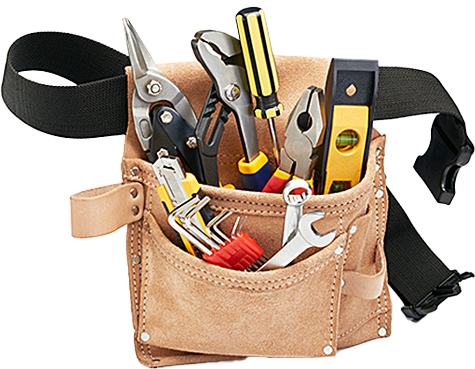
When tackling toilet flange repair, gathering the right tools and materials is the first crucial step. Homeowners need a new flange or repair kit, a wax ring, a screwdriver, a wrench, and a putty knife. Having these items on hand ensures the process goes smoothly. This preparation minimizes downtime and speeds up the repair.
Removing the toilet is the next step, allowing access to the flange. Carefully disconnect the water supply and unscrew the toilet from its base. Lifting the toilet reveals the flange and the condition of the wax ring. This visibility is essential for assessing the extent of the repair needed.
With the toilet removed, inspecting and cleaning the flange area is imperative. Remove any old wax and debris to ensure a clean surface for the new installation. If the flange is damaged, replacing it or using a repair kit is necessary. A clean, solid foundation is crucial for a successful toilet flange repair.
Finally, installing the new wax ring and reattaching the toilet completes the repair. Place the new wax ring on the flange, carefully set the toilet on top, and press down to seal. Tightening the bolts secures the toilet, preventing leaks and movement. This step restores the bathroom’s functionality, ensuring a leak-free environment.
Choosing the Right Wax Ring for Your Toilet
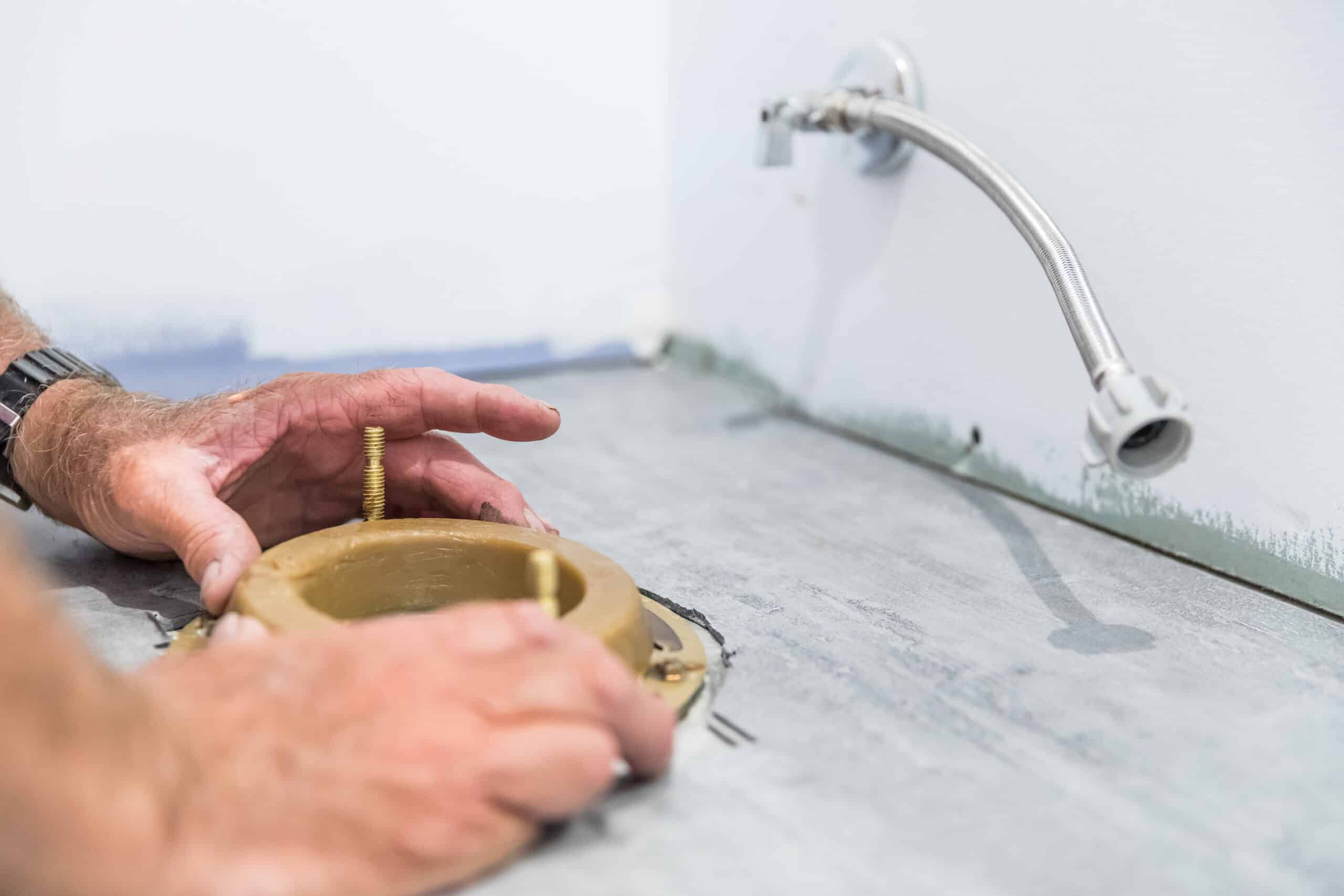
In the realm of toilet flange repair, selecting the right wax ring is not just a detail but a crucial decision that ensures the effectiveness of the repair. The wax ring acts as a seal between the toilet base and the flange, preventing leaks. Each toilet and flange configuration may require a different size or type of wax ring, making it essential to choose one that matches your specific needs. This choice can make the difference between a successful repair and one that leads to further issues.
Dallas, TX, homeowners facing toilet flange repair should consider the thickness and material of the wax ring. A thicker ring might be necessary if the flange is set below the level of the surrounding flooring. On the other hand, a standard ring suffices for flanges that are level with or slightly above the floor. Understanding these nuances ensures a tight, leak-proof seal, safeguarding your bathroom against water damage.
Moreover, in recent years, alternatives to traditional wax rings have emerged, offering different benefits. These options, such as wax-free seals, can be more resilient to temperature fluctuations and less prone to melting or distortion. For residents in areas like Frisco, TX, where temperatures can vary significantly, considering these alternatives might offer a more durable solution. However, it’s crucial to ensure compatibility with your toilet and flange setup before making a selection.
Ultimately, the success of a toilet flange repair hinges on meticulous attention to detail, from diagnosing the issue to choosing the right repair materials. By selecting the appropriate wax ring for your toilet, you not only stop leaks but also prevent future problems. This step, though seemingly minor, plays a significant role in maintaining the hygiene and functionality of your bathroom, echoing the importance of informed decision-making in home repairs.
Preparing the Subfloor for Toilet Flange Installation
Before installing a new toilet flange, preparing the subfloor is a critical step that can’t be overlooked. Ensuring the subfloor is dry and free from damage is essential for a successful toilet flange repair. In Dallas, TX, where humidity can affect wooden subfloors, checking for rot or mold is crucial. A solid, level subfloor provides the best foundation for a new flange and prevents future leaks.
If damage is found, repairing the subfloor before proceeding with the flange installation is necessary. This might involve removing damaged sections and replacing them with new, sturdy material. In Frisco, TX, homeowners often encounter subfloor issues due to water leaks. Properly fixing these problems ensures the new flange will have a stable base, reducing the risk of leaks reoccurring.
After repairing any damage, leveling the subfloor is the next step. An uneven surface can cause the toilet to rock, breaking the seal of the wax ring and leading to leaks. Using a level, check the surface around the flange area to ensure it’s flat. If adjustments are needed, use a self-leveling compound to create a smooth, even base for the flange.
Finally, cleaning the area around the installation site is important for a clean work environment. Remove any debris, dust, or old adhesive that could interfere with the new installation. A clean subfloor not only aids in a smoother repair process but also helps in achieving a better seal between the flange, wax ring, and toilet. This meticulous preparation is key to a successful toilet flange repair, ensuring a leak-free bathroom for years to come.
The Importance of Proper Toilet Flange Height
Ensuring the toilet flange is at the correct height is crucial for a successful toilet flange repair. If the flange is too high or too low compared to the bathroom floor, it can lead to leaks. In Dallas, TX, professionals often see this issue when homeowners attempt DIY repairs without proper guidance. Getting the height right prevents future problems and ensures a watertight seal.
In cases where the flange is set too low, using flange extenders is a common solution. These extenders stack on top of the existing flange, bringing it to the appropriate level. Homeowners in Frisco, TX, find this method effective, especially in older homes where the flooring has been changed, affecting the flange height. This adjustment is a key step in the repair process, contributing to the longevity of the repair.
Conversely, if the flange is too high, it can cause the toilet to rock, breaking the seal of the wax ring. This situation requires either lowering the flange or adjusting the floor level. Achieving a flush fit between the toilet base and the floor is essential for a leak-free installation. Proper alignment also reduces the strain on the toilet and plumbing fixtures, preventing cracks and leaks.
Ultimately, the success of toilet flange repair hinges on attention to detail, especially regarding flange height. Professionals ensure the flange is perfectly level with the floor, using precise tools and techniques. This meticulous approach safeguards the bathroom against water damage, restoring its functionality and comfort. By focusing on the correct flange height, homeowners can enjoy a durable and reliable bathroom setup.
Common Mistakes in Toilet Flange Repair
Toilet flange repair, while crucial, can often be derailed by common mistakes. One frequent error is neglecting to check the flange for levelness before installation. In Dallas, TX, professionals emphasize this step to ensure a secure, leak-proof fit. Skipping this can lead to a misaligned toilet, causing stress on the plumbing and potential leaks.
Another oversight is using an incorrect size or type of wax ring. Homeowners in Frisco, TX, sometimes choose a ring that doesn’t match their toilet’s specifications or flange height. This mismatch can result in a poor seal, making the toilet susceptible to leaks. It’s essential to select a wax ring that fits perfectly to avoid future issues.
Failing to properly clean the flange and surrounding area before installing the new flange or wax ring is also a common pitfall. Debris or old wax left on the surface can prevent a good seal, leading to leaks. A clean base is critical for the wax ring to adhere properly, ensuring a successful toilet flange repair.
Lastly, attempting DIY repairs without fully understanding the process can lead to complications. Some homeowners may not realize the importance of each step, from removing the toilet to replacing the flange. Seeking professional guidance or services ensures that the repair is done correctly, avoiding the need for repeated fixes and safeguarding the bathroom against water damage.
When to Call a Professional for Toilet Flange Repair
Knowing when to seek professional help for toilet flange repair can save homeowners in Dallas, TX, both time and money. While DIY can be tempting, the complexity of ensuring a leak-free seal requires precision. Professionals bring the right tools and expertise, making the repair process smoother. They understand the nuances of different flange types and how to address each unique situation effectively.
In some cases, the damage may extend beyond the flange, affecting the subfloor or plumbing. This scenario is common in older homes in Frisco, TX, where prolonged leaks have caused unseen damage. A professional can assess the extent of the damage, offering solutions that go beyond the surface level. Their comprehensive approach ensures that all aspects of the problem are addressed, preventing future issues.
Attempting a toilet flange repair without the proper knowledge can lead to further complications. Mistakes such as using the wrong size wax ring or failing to level the flange correctly can cause leaks to persist. Professionals are trained to identify and rectify these issues swiftly. Their experience allows them to avoid common pitfalls, ensuring the repair is done right the first time.
Ultimately, calling in a professional for toilet flange repair offers peace of mind. Homeowners can rest assured that the repair is thorough and durable, safeguarding their home against water damage. In the long run, investing in professional services can be more cost-effective, avoiding the need for repeated repairs. For those in Dallas and Frisco, TX, seeking expert assistance is a wise choice for a hassle-free solution.
Maintaining Your Toilet Flange to Prevent Future Leaks
Maintaining your toilet flange is essential for preventing future leaks and ensuring the longevity of your bathroom’s plumbing. Regular inspections can catch issues before they escalate, saving homeowners in Dallas, TX, from costly repairs. It’s advisable to check the flange whenever you notice changes in your toilet’s stability or signs of moisture. Simple steps like tightening bolts or cleaning around the flange can make a significant difference in its performance.
Proper care also involves being mindful of what you flush. Avoiding items that can cause blockages helps maintain pressure balance, reducing strain on the flange. Homeowners in Frisco, TX, have found that a bit of prevention goes a long way in avoiding plumbing emergencies. Educating all household members on what not to flush can protect the integrity of your toilet’s connection to the plumbing system.
Another key aspect is ensuring that any repair work, especially toilet flange repair, is done with precision. Using quality materials and following manufacturer instructions can prevent the need for frequent fixes. Whether you’re replacing a wax ring or installing a new flange, choosing the right products is crucial. Opting for durability over convenience often results in better protection against leaks.
Lastly, consider scheduling an annual check-up with a professional plumber. They can assess your toilet flange’s condition and perform any necessary maintenance. This proactive approach can identify potential problems before they become serious, offering peace of mind to homeowners. Regular professional assessments complement your maintenance efforts, ensuring your toilet flange remains in top condition year-round.
Frequently Asked Questions
What causes toilet leaks?
Toilet leaks often stem from a faulty toilet flange. This key piece, when damaged or improperly installed, allows water to escape. Regular wear or a weak seal, such as an old wax ring, can also lead to leaks. Ensuring proper toilet flange repair is crucial for a leak-free bathroom.
How does Toilet Flange Repair work?
Toilet flange repair starts with removing the toilet to access the damaged area. Experts then replace or fix the broken flange and install a new wax ring. They ensure the flange sits at the correct height above the subfloor. Finally, the toilet is reinstalled, sealing it against leaks.
Can I repair a toilet flange myself?
Repairing a toilet flange is possible for those with DIY skills, but it requires patience and precision. First, you need the right tools and a new flange or repair kit. Understanding the steps involved is crucial, from removing the toilet to replacing the wax ring. However, if you’re unsure, it’s wise to call professionals like Benjamin Franklin Plumbing in Dallas, TX, to ensure the job is done right.
What tools are needed for Toilet Flange Repair?
For toilet flange repair, a few essential tools are needed. A wrench and screwdriver are vital for removing and securing the toilet. A putty knife helps clean the old wax ring off the flange and floor. Lastly, having a new wax ring and replacement bolts on hand ensures a tight, leak-free seal.
How long does flange repair take?
Toilet flange repair typically takes a few hours to complete. First, the toilet is removed to access the damaged flange. After repairing or replacing the flange and installing a new wax ring, the toilet is then reinstalled. This process ensures a secure, leak-free connection, restoring your bathroom’s functionality efficiently.