

Understanding the ins and outs of your home’s plumbing system, especially the shut off valve, is crucial for any homeowner. These valves, pivotal in controlling the flow of water in your home, can be the difference between a minor inconvenience and a major emergency. Whether you’re nestled in the bustling city of Dallas, TX, or the quieter suburbs of Frisco, TX, knowing where your shut off valve is and its condition is key. It’s not just about finding it, it’s about ensuring it’s in working order.
Shut off valves come in various types, each designed to offer specific benefits and suit different plumbing systems. From gate valves to the more modern quarter-turn designs, choosing the right one can significantly impact your plumbing’s efficiency and reliability. But it’s not just about picking the right type, placement is equally important. Properly located valves can make emergency shut-offs quicker, minimizing potential water damage.
Over time, like any component of your home’s plumbing, shut off valves wear out and may need replacement. The lifespan of these valves depends on several factors, including material, usage, and water quality in your area. In places like Dallas and Frisco, where water conditions can vary, this is a particularly important consideration. Knowing when it’s time to upgrade or replace your shut off valve can save you from unexpected plumbing disasters.
The move towards quarter-turn shut off valves has been a game-changer for many homeowners. These valves are not only easier to operate but also tend to have a longer lifespan due to fewer moving parts. Upgrading to a quarter-turn design can enhance your home’s plumbing system, offering peace of mind and increased convenience. Whether you’re in Dallas, TX, or Frisco, TX, considering this upgrade could be a wise decision for your home.

Understanding Different Types of Shut Off Valves
Understanding the different types of shut off valves is essential for any homeowner, especially those in Dallas, TX. These valves come in various styles, each designed to meet specific needs within your home’s plumbing system. For instance, gate valves, which are common in older homes, use a metal gate to control water flow. However, they can be prone to seizing if not operated regularly, making them less ideal for emergency situations.
Ball valves, on the other hand, offer a more reliable solution for many homeowners. These shut off valves use a spherical disc to control water flow, allowing for a quick and full stop of water with just a quarter turn. This design is particularly beneficial in emergency scenarios, where time is of the essence. Ball valves are known for their durability and longevity, making them a popular choice in both Dallas and Frisco, TX.
Another type to consider is the globe valve, which regulates water flow through a movable disk-type element and a stationary ring seat in a generally spherical body. Globe valves are great for regulating flow but are not typically used as shut off valves due to their complex design and slower operation. Residents in Frisco, TX, might find these more in industrial or specialized applications rather than in residential plumbing.
Lastly, the transition to quarter-turn shut off valves has marked a significant improvement in plumbing technology. These valves are not only easier to use but also reduce the risk of leaks and wear over time. For homeowners in Dallas, TX, upgrading to a quarter-turn shut off valve can significantly enhance the convenience and safety of their plumbing system. This upgrade is a smart investment, ensuring quick and efficient control over your home’s water supply in any situation.
Ideal Locations for Shut Off Valve Installation
Identifying the ideal locations for installing a shut off valve is crucial for ensuring quick access during a plumbing emergency. In a home, the main shut off valve should ideally be near the perimeter, where the main water line enters the house. This placement allows homeowners in Dallas, TX, to quickly stop the water supply to the entire home if necessary. It’s also wise to label the valve clearly, making it easier to find during stressful situations.
Inside the house, installing shut off valves under sinks, near toilets, and close to appliances that use water, like washing machines, is beneficial. These local shut off valves enable residents in Frisco, TX, to isolate the water supply to specific areas without affecting the entire home. This strategy not only minimizes potential water damage but also allows for easier repairs and maintenance.
For outdoor plumbing, having a shut off valve for exterior faucets or irrigation systems is equally important. Placing these valves in an accessible yet protected location prevents them from freezing during cold weather and allows for easy shut-off when outdoor plumbing is not in use. This consideration is particularly relevant for areas with variable weather conditions, ensuring that homeowners can quickly manage their outdoor water supply.
Lastly, when upgrading to quarter-turn shut off valves, considering their placement can enhance their efficiency and convenience. These valves, known for their ease of use, should replace older models in hard-to-reach places or where quick access is paramount. By strategically placing these upgraded valves, homeowners can significantly improve their plumbing system’s reliability and their ability to respond to emergencies swiftly.
The Importance of Regular Shut Off Valve Maintenance
Regular maintenance of your shut off valve is essential to ensure your home’s plumbing system remains in top condition. Over time, these valves can become hard to operate or may start leaking, indicating a need for attention. Homeowners in Dallas, TX, should make it a habit to check these valves annually for signs of wear or corrosion. This proactive approach can prevent unexpected plumbing issues and maintain the integrity of your water supply.
In addition to visual inspections, operating your shut off valve periodically is a good practice to keep it functioning properly. If a valve seems stuck or requires excessive force to turn, it might be time for a replacement. Residents in Frisco, TX, will find that keeping these valves operable ensures they can quickly cut off the water supply in case of a leak or during repairs. This simple step can significantly reduce the risk of water damage to your property.
Upgrading to a quarter-turn shut off valve is also a crucial part of maintenance that can enhance your plumbing system’s efficiency. These modern valves are designed for durability and ease of use, offering a reliable solution for controlling water flow. When planning maintenance or upgrades, considering the switch to quarter-turn models can offer long-term benefits, including less frequent replacements and improved performance.
Lastly, consulting with a professional plumber for shut off valve maintenance or replacement can provide peace of mind. They can offer expert advice on the best type of valve for your home and ensure proper installation. Whether you’re in Dallas, TX, or Frisco, TX, a qualified plumber can also identify any potential issues with your plumbing system, ensuring your shut off valves and the entire system function optimally. Regular professional inspections can thus play a vital role in maintaining your home’s plumbing health.
Signs Your Shut Off Valve Needs Replacement
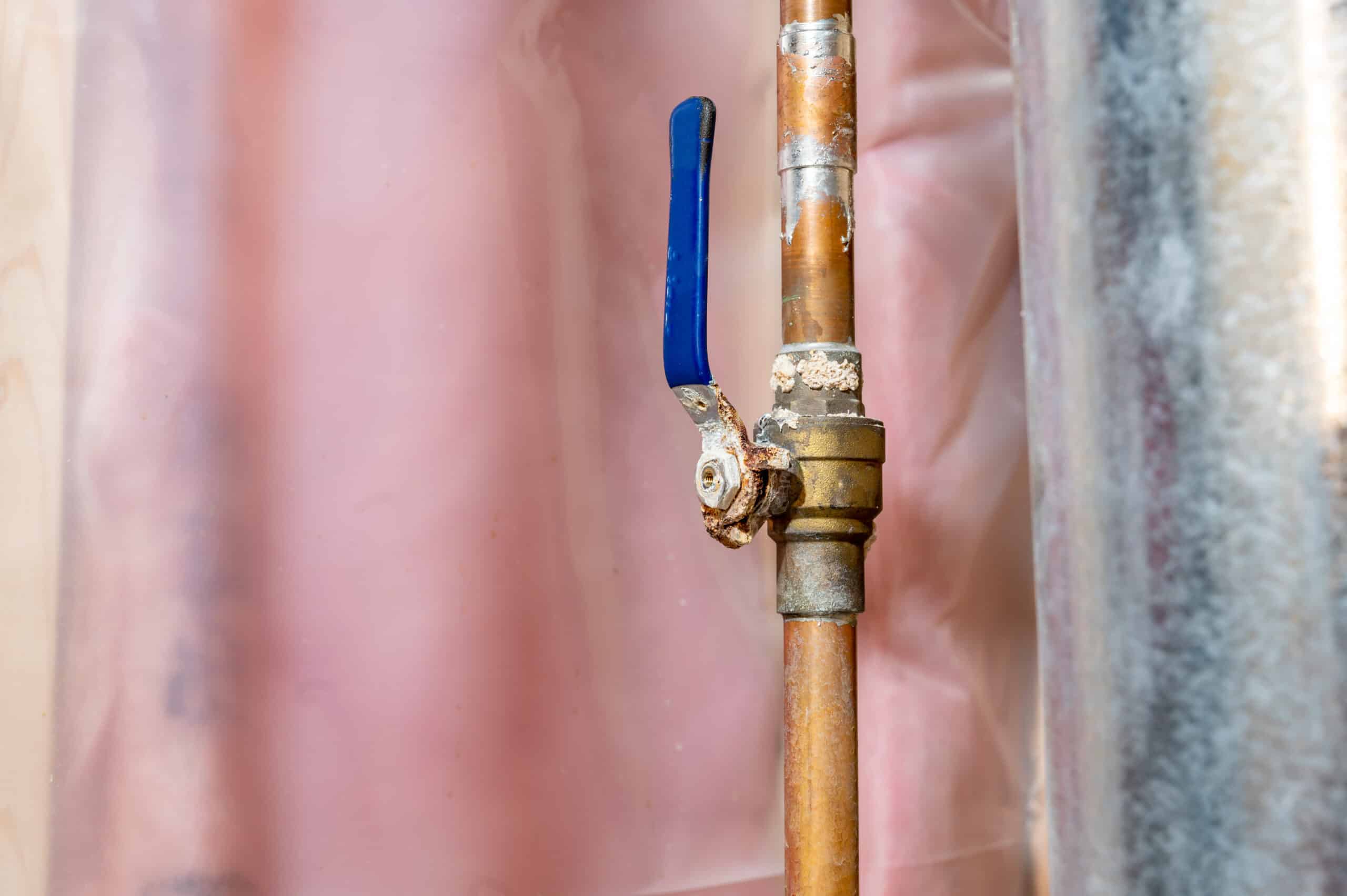
Recognizing the signs that your shut off valve needs replacement is crucial for maintaining a functional and safe plumbing system in your home. Over time, these valves may exhibit signs of wear such as rust, corrosion, or visible damage, indicating the need for immediate attention. If you notice your valve leaking or it has become difficult to turn, it’s a clear sign that it’s time for an upgrade. Residents in Dallas, TX, should consider these symptoms as a prompt to consult a professional plumber.
A stuck valve is another common issue that signals the need for replacement. When a shut off valve cannot be moved to the open or closed position, it compromises your ability to control the water flow in emergencies. This situation not only poses a risk of water damage but also indicates the valve’s internal components may have failed. Homeowners in Frisco, TX, facing this problem should prioritize replacing their shut off valve to ensure their plumbing system’s reliability.
Upgrading to a quarter-turn shut off valve can offer significant benefits when you encounter signs of failure with your current valve. These modern valves are designed for ease of use and durability, providing a reliable solution for quickly managing your home’s water supply. Making the switch can prevent the common issues associated with older valve designs, such as leaks and difficulty in operation, enhancing your plumbing system’s overall efficiency.
Lastly, regular checks can help identify when a shut off valve is nearing the end of its lifespan before it fails. If you’re uncertain about the condition of your valve, having a professional plumber assess it can save you from potential emergencies. They can recommend whether a replacement is necessary and advise on the best type of shut off valve for your home’s specific needs, ensuring the safety and functionality of your plumbing system in both Dallas, TX, and Frisco, TX.
Step-by-Step Guide to Replacing a Shut Off Valve
Replacing a shut off valve is a task that homeowners in Dallas, TX, can undertake with the right tools and guidance. First, locate the main water supply and turn it off to prevent water flow while you work. This critical step ensures a dry workspace, minimizing the risk of water damage or injury. Having a bucket nearby to catch any residual water can also keep the area clean.
Next, remove the old shut off valve by loosening the nuts that secure it to the pipe. Sometimes, these nuts can be tight, so using a wrench may be necessary to get them moving. Be gentle to avoid damaging the pipes, especially if they’re made of a softer material like copper. Once loosened, slide the valve off the pipe, taking care not to lose any small parts.
Now, it’s time to install the new shut off valve. Slide the new valve onto the pipe, ensuring it’s oriented correctly for easy access and operation. In Frisco, TX, where water quality can affect plumbing, choosing a durable valve like a quarter-turn model is advisable. Tighten the nuts by hand first, then finish with a wrench to secure the valve without over-tightening.
Finally, turn the main water supply back on and check for leaks around the new shut off valve. A successful replacement means no water escapes from the connections. If you encounter any leaks, slightly tightening the nuts should solve the issue. Remember, regular maintenance and prompt replacement of shut off valves can significantly improve your home’s plumbing system’s reliability and safety.
The Lifespan of Shut Off Valves: What to Expect
Understanding the lifespan of a shut off valve is crucial for homeowners in Dallas, TX, aiming to maintain their plumbing systems efficiently. Typically, a shut off valve can last for many years, but its longevity depends on factors like material quality, frequency of use, and the local water quality. For instance, valves in areas with hard water may degrade faster due to mineral buildup. Regular inspections can help identify wear and tear, ensuring timely replacements to avoid water damage.
In Frisco, TX, where water conditions might fluctuate, homeowners should be particularly vigilant about their shut off valves’ condition. A well-maintained shut off valve should operate smoothly without any leaks or resistance. If a valve becomes hard to turn or starts leaking, it’s a sign that it may be nearing the end of its useful life. Proactive replacement of aging valves can prevent unexpected plumbing emergencies and ensure a continuous water supply.
Upgrading to quarter-turn shut off valves offers a practical solution for enhancing your plumbing system’s reliability. These valves are known for their durability and ease of operation, making them a smart choice for homeowners looking to improve their system. Since they have fewer moving parts, quarter-turn valves are less likely to fail and can offer a longer service life compared to traditional valve designs. This upgrade can be particularly beneficial in ensuring a swift and reliable water shut-off during emergencies.
Ultimately, the key to extending the lifespan of your shut off valves lies in regular maintenance and timely upgrades. Homeowners should consider consulting with professional plumbers to assess their plumbing system’s current state and determine the best course of action. Whether you’re in Dallas, TX, or Frisco, TX, taking proactive steps to maintain and upgrade your shut off valves can save you time and money in the long run. By staying ahead of maintenance and replacements, you can ensure your home’s plumbing system remains functional and efficient.
Upgrading to Quarter Turn Shut Off Valve Designs
Upgrading to quarter-turn shut off valve designs is a wise decision for homeowners looking to enhance their plumbing systems. These valves offer a straightforward operation, turning off the water supply with a simple 90-degree turn. This feature is particularly beneficial in emergency situations where time is of the essence. Residents in Dallas, TX, will appreciate the ease and speed with which they can control their water flow.
In Frisco, TX, the water quality can sometimes hasten the deterioration of traditional shut off valves. Quarter-turn models, with fewer moving parts, are less susceptible to damage from mineral buildup and corrosion. This durability ensures a longer lifespan and reduces the likelihood of unexpected leaks or failures. Homeowners can thus enjoy a more reliable plumbing system with less frequent need for replacements.
Another advantage of quarter-turn shut off valves is their visual clarity in indicating whether the valve is open or closed. This clarity can be incredibly helpful during plumbing maintenance or when quickly assessing the state of your water supply. For anyone, especially those not familiar with plumbing intricacies, this feature adds a layer of convenience and safety to managing home utilities.
Finally, consulting with a professional plumber for the upgrade process guarantees that the installation is done correctly. They can provide valuable insights into the best shut off valve options for your specific needs, considering factors like water pressure and pipe size. Whether you’re in Dallas, TX, or Frisco, TX, professional advice can ensure that your plumbing upgrade enhances your system’s efficiency and your home’s safety.
Preventative Measures to Extend Shut Off Valve Life
Adopting preventative measures is crucial for extending the lifespan of a shut off valve, ensuring it remains functional for as long as possible. In Dallas, TX, homeowners can start by regularly cleaning their valves to prevent mineral buildup, a common issue that can impair valve operation. This simple step can significantly reduce the risk of valve failure, especially in areas with hard water. Additionally, gentle operation of the valves, avoiding excessive force, can prevent damage to their components.
Insulating shut off valves in colder climates, such as Frisco, TX, can protect them from freezing temperatures, which can cause cracking and leaks. Homeowners should consider using foam insulation sleeves, which are easy to install and effective at maintaining a stable temperature around the valve. This precaution is particularly important for valves located in unheated areas of the home or outside. Preventing freeze damage is a straightforward way to avoid costly repairs and replacements.
Another effective strategy is to schedule annual inspections with a professional plumber. These experts can identify early signs of wear and tear that might not be obvious to the untrained eye. They can also perform minor adjustments to ensure the shut off valve operates smoothly, preventing sudden failures. Regular professional assessments can catch issues before they escalate into major problems, saving homeowners time and money.
Lastly, educating all household members on how to properly use and maintain the shut off valve is invaluable. Knowing where the valve is located and how to operate it in an emergency can prevent significant water damage. In both Dallas, TX, and Frisco, TX, familiarizing oneself with the home’s plumbing system can make a big difference in emergency preparedness. This knowledge, combined with the above preventative measures, can greatly extend the life of shut off valves, contributing to a more secure and efficient home plumbing system.
Frequently Asked Questions
What is a Shut Off Valve?
A shut-off valve is a crucial plumbing component that controls the flow of water in your home. It allows you to cut off water to specific areas without disrupting the entire supply. This valve is essential for repairs, maintenance, or in case of a leak. Knowing its location and how to operate it can save time and prevent water damage.
How do I locate my Shut Off Valve?
Finding your shut-off valve is easier than you might think. Start by checking near your home’s water meter, often located in basements or garages. If you don’t find it there, look under sinks or near your water heater. Remember, every home is unique, so your valve’s location may vary.
When should I replace a valve?
You should replace a shut-off valve when it starts to leak, becomes hard to turn, or shows signs of corrosion. Over time, valves can wear out, making them less effective at controlling water flow. If you’re upgrading your plumbing, consider switching to a quarter-turn design for easier use. Regular checks help catch issues early, ensuring your home’s plumbing stays in top shape.
What tools are needed for valve replacement?
Replacing a shut-off valve requires a few basic tools. You’ll need an adjustable wrench to loosen and tighten fittings. Pipe wrenches might also be necessary for a secure grip on the valve. Ensure you have Teflon tape to seal the threads and prevent leaks. Lastly, keep a bucket handy to catch any water that drips out during the replacement process.
Can a Shut Off Valve affect water pressure?
Yes, a shut-off valve can impact water pressure in your home. If partially closed, it may restrict the flow, leading to lower pressure. Ensuring the valve is fully open can solve this issue. Regular maintenance helps keep it functioning properly, avoiding pressure problems.