
A Pressure Reducing Valve (PRV) plays a crucial role in this scenario, safeguarding your home’s fixtures from the potential havoc caused by high water pressure. This device not only protects but also ensures the longevity of your plumbing infrastructure, making it an essential component for any household. Understanding how a PRV functions can save you from unexpected leaks and costly repairs.
A Pressure Reducing Valve works by automatically adjusting the water pressure entering your home to a safer, more manageable level. This process is vital in areas where the municipal water supply tends to fluctuate, preventing damage to pipes and appliances. Residents in Richardson, for instance, can greatly benefit from installing a PRV, given the city’s varying water pressure levels. It’s a small investment that pays off by avoiding the inconvenience of frequent maintenance.
Selecting the right size and setting for your Pressure Reducing Valve is equally important to ensure it meets your home’s specific needs. The size of the PRV should match the incoming water line for optimal performance, a detail that homeowners in Frisco should particularly note. Properly sizing and setting your PRV not only maximizes its efficiency but also contributes to water conservation, a growing concern in many communities.
Finally, the peace of mind that comes with having a Pressure Reducing Valve installed in your home is invaluable. It’s a testament to the importance of being proactive about plumbing maintenance, especially in areas like Dallas, where water pressure can surge unexpectedly. By understanding the role of a PRV, homeowners can take a significant step towards protecting their property and ensuring a smooth, uninterrupted water supply.
Understanding the Role of a Pressure Reducing Valve
A Pressure Reducing Valve significantly reduces the risk of damage to your plumbing fixtures by controlling the water pressure. When water enters your home at high pressure, it can strain pipes and appliances, leading to leaks or bursts. By installing a PRV, homeowners in Richardson can enjoy a consistent water flow, preventing these issues. This valve automatically adjusts the incoming water pressure to a safer level, ensuring the integrity of your home’s plumbing system.
Understanding how to correctly size a Pressure Reducing Valve is crucial for its effectiveness. The valve should be compatible with the size of your home’s incoming water line. This compatibility ensures that the PRV can efficiently manage the water pressure without any loss in performance. Homeowners in Frisco will find that selecting the right size PRV can make a significant difference in water pressure management.
Setting your Pressure Reducing Valve to the appropriate pressure is also vital. Most homes function well with a water pressure setting between 50 and 70 psi. If the pressure is set too high, it can negate the benefits of the PRV, while too low a setting may result in unsatisfactory water flow. By finding the right balance, you can protect your plumbing fixtures and enjoy comfortable water pressure.
Finally, regular maintenance of your Pressure Reducing Valve ensures its longevity and reliability. Just like any other component of your plumbing system, a PRV can wear out or become clogged over time. Homeowners should have their PRV checked periodically to ensure it’s functioning correctly. This proactive approach can save you from unexpected plumbing repairs and maintain the health of your plumbing system.
Signs Your Home Needs a Pressure Reducing Valve
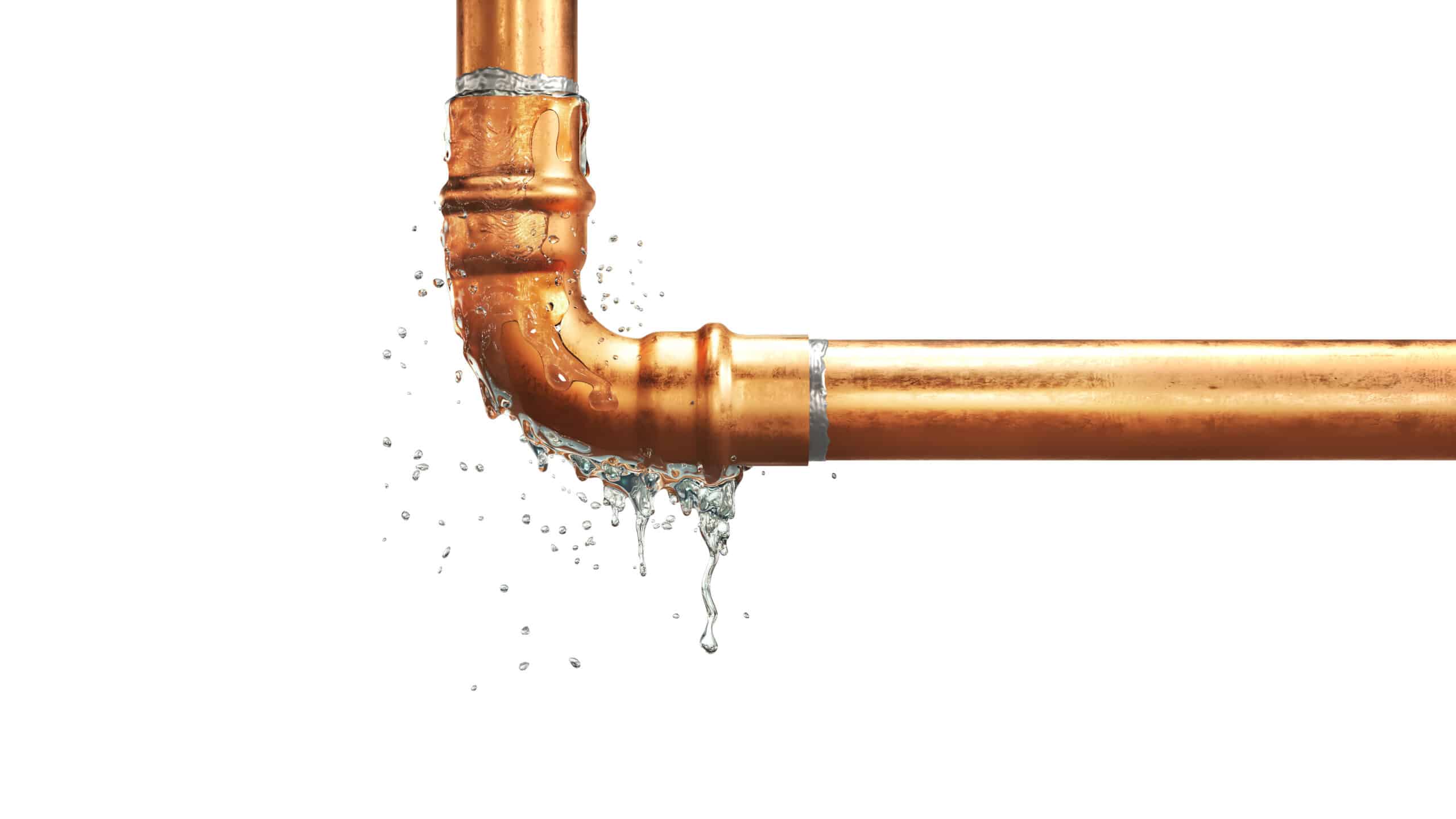
Identifying when your home might benefit from a Pressure Reducing Valve is essential for maintaining a healthy plumbing system. One clear sign is if you notice a frequent occurrence of leaks in your fixtures or pipes. These leaks often result from high water pressure straining the plumbing infrastructure, a common issue in cities like Richardson. Installing a PRV can mitigate these risks by regulating the pressure and preventing the undue stress that leads to leaks.
Another indicator is if you hear a persistent banging noise in your pipes, commonly referred to as water hammer. This phenomenon occurs when the flow of water is suddenly stopped, causing a shockwave through the pipes. In Frisco, where water pressure can vary, this can be a frequent problem. A Pressure Reducing Valve helps by keeping the pressure at a consistent level, reducing the chances of water hammer.
Experiencing unusually high water bills can also suggest that the pressure in your plumbing system is more than what your fixtures are designed to handle. High pressure leads to more water being pushed through faucets and showers, resulting in increased usage. By installing a Pressure Reducing Valve, homeowners can control their water flow, leading to more predictable and often lower water bills.
Lastly, if your appliances that use water, like dishwashers and washing machines, have a shorter lifespan, it might be due to high water pressure. These appliances are designed to operate within certain pressure ranges, and exceeding these can cause wear and tear. A Pressure Reducing Valve ensures that the pressure within your home is kept at an appliance-friendly level, potentially extending the life of these costly investments.
How a Pressure Reducing Valve Protects Your Plumbing
A Pressure Reducing Valve ensures your home’s plumbing remains in top condition by managing water pressure effectively. When installed, it reduces the strain on pipes and fixtures by controlling the flow of water into your home. This is especially beneficial in Richardson, where water pressure can be unpredictable. By doing so, it significantly lowers the risk of pipe bursts and leaks, which are common issues caused by high pressure.
In Frisco, residents can appreciate the role of a Pressure Reducing Valve in extending the lifespan of water-using appliances. Appliances like washing machines and dishwashers operate best within specific pressure ranges. A PRV adjusts the water pressure to optimal levels, ensuring these devices run efficiently. This not only protects your appliances from damage but also saves on repair and replacement costs.
The installation of a Pressure Reducing Valve contributes to water conservation as well. By regulating the flow of water, it prevents unnecessary wastage, which is a step towards sustainable living. This is crucial in areas facing water supply challenges. Homeowners can enjoy the dual benefits of safeguarding their plumbing system while also contributing to environmental conservation efforts.
Furthermore, a Pressure Reducing Valve offers peace of mind by mitigating unexpected plumbing emergencies related to high water pressure. It acts as a shield for your home’s plumbing system, ensuring everything operates smoothly. This proactive measure saves homeowners from the stress and financial burden of emergency plumbing repairs, making it a wise investment for any household.
Selecting the Right Size for Your Pressure Reducing Valve
Selecting the right size for a Pressure Reducing Valve is crucial to its effectiveness. A valve too small may not handle the volume of water, leading to inefficiency and potential damage. Conversely, a valve too large can reduce its ability to properly regulate pressure. Homeowners in Richardson should ensure the PRV size matches their home’s incoming water line for optimal performance.
The process of sizing a Pressure Reducing Valve involves understanding your home’s water flow needs. This is determined by the number of fixtures and appliances that use water. A professional plumber can calculate the correct size, ensuring the valve efficiently manages water pressure without any loss in performance. This step is essential for Frisco residents looking to maintain a balanced and efficient water system.
After selecting the correct size, setting the Pressure Reducing Valve to the appropriate pressure is next. Most households find a setting between 50 and 70 psi to be ideal. This range protects plumbing while providing enough pressure for daily water use. Adjusting the PRV to the right setting ensures your system operates smoothly, avoiding the extremes of too high or too low water pressure.
Regular checks and adjustments to the Pressure Reducing Valve can maintain its efficiency over time. Like any mechanical device, a PRV can wear out or require recalibration. Homeowners should consider periodic reviews of their valve’s setting and condition, part of their routine home maintenance. This proactive approach keeps the water system in top shape, safeguarding against unexpected issues.
Step-by-Step Guide to Setting Your Pressure Reducing Valve
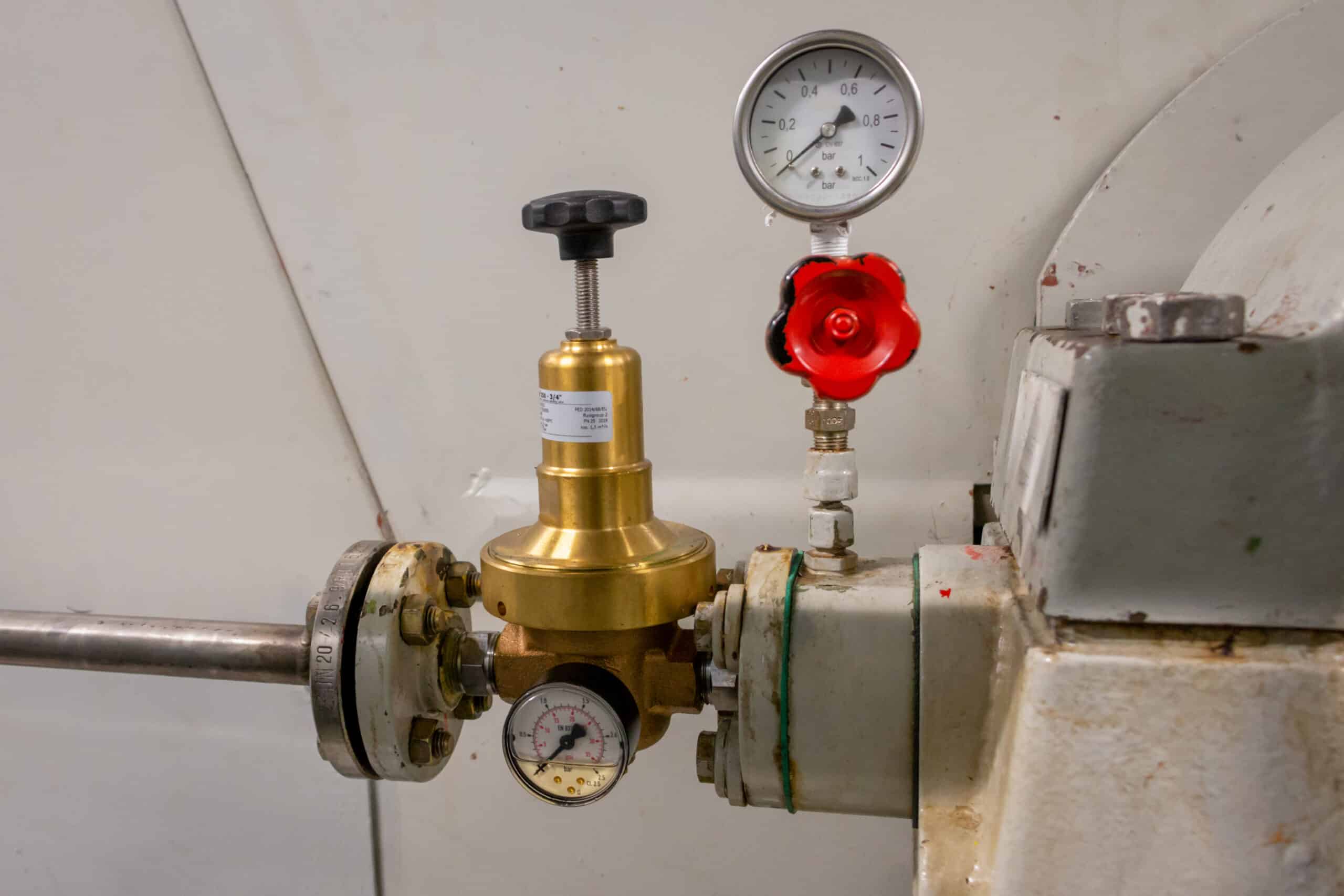
Setting your Pressure Reducing Valve correctly is a straightforward process that significantly enhances your home’s plumbing efficiency. First, locate the adjustment screw on the top of the valve. By turning this screw clockwise, you increase the water pressure, and turning it counterclockwise decreases it. Homeowners in Richardson will find this adjustment useful for fine-tuning their system to the ideal pressure level.
Before making any adjustments, it’s important to measure the current water pressure using a pressure gauge. Attach the gauge to a faucet close to the valve and record the pressure. This initial reading helps homeowners in Frisco understand the starting point, ensuring they don’t adjust the pressure too high or too low from the desired setting.
After noting the initial pressure, slowly adjust the valve while periodically checking the gauge to monitor changes. Aim for a pressure setting between 50 and 70 psi, which is sufficient for most homes. This range ensures that your plumbing fixtures operate efficiently without the risk of damage from high pressure.
Finally, after setting the Pressure Reducing Valve to the desired pressure, lock the adjustment screw in place. This prevents any unintentional changes to the setting, maintaining consistent water pressure. Regular monitoring and slight adjustments can keep your plumbing system running smoothly, protecting your home from the potential issues caused by improper water pressure.
Maintenance Tips for Your Pressure Reducing Valve
Maintaining your Pressure Reducing Valve (PRV) is essential for ensuring it continues to protect your home from high water pressure. Homeowners in Richardson can start by visually inspecting the valve for any signs of wear or damage. This simple step can help identify issues before they escalate, keeping your plumbing system secure. Regular inspections also provide an opportunity to catch any leaks early, preventing water waste and potential damage.
Cleaning the PRV is another crucial maintenance task. Over time, sediment and debris can accumulate, affecting the valve’s performance. Homeowners in Frisco should consider detaching the valve and rinsing it under clean water. This process helps remove any obstructions, ensuring the valve operates smoothly and efficiently, safeguarding your plumbing fixtures from sudden pressure changes.
It’s also important to test the PRV’s functionality periodically. You can do this by monitoring the water pressure before and after the valve using a pressure gauge. If the pressure remains high downstream of the valve, it may indicate the PRV is failing and requires attention. Regular testing helps ensure that the valve is effectively reducing pressure, offering peace of mind and preventing unexpected plumbing issues.
Lastly, consulting with a professional plumber for an annual check-up of your Pressure Reducing Valve can save you from future headaches. They can perform a comprehensive assessment, including testing valve performance and making any necessary adjustments or replacements. This expert oversight ensures your PRV is set correctly and functioning as intended, providing optimal protection for your home’s plumbing system.
The Impact of Water Pressure on Fixture Longevity
Understanding the impact of water pressure on the longevity of plumbing fixtures is crucial for homeowners. A Pressure Reducing Valve plays a pivotal role in this regard by ensuring that water pressure remains at a safe level, thus preventing undue stress on pipes and fixtures. In Richardson, where fluctuations in water pressure are common, the presence of a PRV can mean the difference between frequent repairs and a stable plumbing system. It’s an effective safeguard that extends the life of your fixtures by mitigating the risk of damage caused by high pressure.
In Frisco, the benefits of installing a Pressure Reducing Valve are equally significant. By maintaining a consistent water pressure, a PRV helps in reducing the wear and tear on water-using appliances and fixtures. This not only enhances their durability but also contributes to overall water efficiency in the home. As a result, homeowners can enjoy a noticeable reduction in the need for replacements and repairs, translating to savings in the long term.
The relationship between water pressure and fixture longevity is direct and significant. High water pressure can accelerate the deterioration of seals and joints, leading to leaks and drips that require attention. A Pressure Reducing Valve, by controlling pressure, ensures that fixtures operate within their designed parameters. This control is essential for preserving the integrity and functionality of your home’s plumbing system.
Lastly, the proactive step of installing a Pressure Reducing Valve demonstrates a commitment to maintaining a healthy plumbing system. It’s a decision that pays dividends by protecting fixtures from the stress of high water pressure, thereby extending their service life. For homeowners looking to enhance the longevity of their plumbing fixtures, a PRV is an indispensable tool. It stands as a testament to the importance of managing water pressure for the well-being of your home’s plumbing infrastructure.
Professional Installation vs. DIY: What You Need to Know
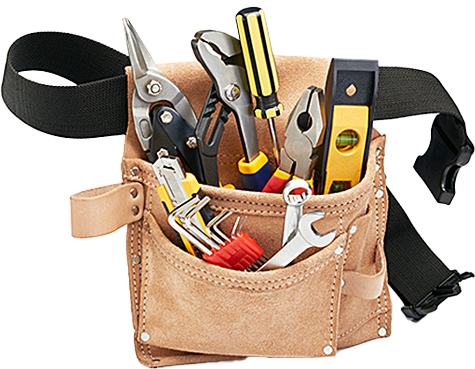
When considering the installation of a Pressure Reducing Valve, homeowners face a choice between professional installation and attempting a do-it-yourself (DIY) approach. Opting for a professional ensures that the valve is correctly sized and installed, which is crucial for its effectiveness. Experts in Richardson have the tools and knowledge to properly set the valve, ensuring your plumbing system operates efficiently. This route also offers the peace of mind that comes from knowing the job is done right.
On the other hand, a DIY installation might appeal to those who are experienced with home plumbing projects. However, it’s important to understand the complexity of installing a Pressure Reducing Valve. Without the proper expertise, there’s a risk of incorrect installation, which can lead to water pressure issues or even damage to your plumbing system. Homeowners in Frisco considering this approach should thoroughly research and prepare to ensure a successful installation.
The decision between professional installation and DIY can also impact the warranty and longevity of the Pressure Reducing Valve. Manufacturers often require professional installation for the warranty to be valid. This consideration is crucial because it protects your investment and ensures that any future issues are covered. Without this warranty, homeowners might face unexpected costs if the valve malfunctions or fails prematurely.
Ultimately, the choice between professional installation and DIY depends on one’s confidence in their plumbing skills and understanding of their home’s water system. While a DIY project can be rewarding and potentially cost-saving, the benefits of professional installation, expertise, efficiency, warranty protection, often outweigh the risks and challenges of going it alone. Homeowners should weigh these factors carefully to make the best decision for their home and ensure the Pressure Reducing Valve functions effectively for years to come.
Frequently Asked Questions
What is a Pressure Reducing Valve?
A Pressure Reducing Valve is a key component in safeguarding your home’s plumbing system. It works by adjusting the water pressure entering your home to a safe level. This helps prevent damage to pipes and fixtures caused by high pressure. Installing one ensures your plumbing system runs smoothly and efficiently.
How do valves protect against surges?
Pressure reducing valves play a crucial role in protecting your home from water pressure surges. By automatically adjusting the flow of water, they keep pressure levels within a safe range. This prevents the risk of burst pipes and damaged fixtures. As a result, these valves ensure the longevity and reliability of your plumbing system.
Can valves reduce water bills?
Absolutely, pressure reducing valves can indeed help lower your water bills. By maintaining a consistent pressure, they reduce the amount of water that flows through your taps. This means you use less water for daily activities, leading to significant savings. Over time, the investment in a pressure reducing valve pays off through reduced utility costs.
When should you replace a Pressure Reducing Valve?
You should replace a Pressure Reducing Valve when you notice a drop in water pressure or frequent surges. These signs indicate the valve might be failing and can’t regulate pressure properly. Regular inspections help catch issues early, ensuring your plumbing remains in top condition. If you’re unsure, consulting a professional from Benjamin Franklin Plumbing can provide guidance and peace of mind.
Are valves easy to install?
Installing a pressure reducing valve might seem complex, but it’s manageable with the right tools and expertise. Many homeowners choose to have professionals like those at Benjamin Franklin Plumbing handle the installation. This ensures the job is done correctly and your system is set up for optimal performance. However, those with plumbing experience may find it a straightforward task.