
Embarking on an icemaker line install can transform your kitchen’s convenience and efficiency. Whether you’re in Richardson or Carrollton, the allure of having ice at your fingertips cannot be overstated. This process, though seemingly straightforward, involves critical choices that ensure the longevity and reliability of your icemaker. From selecting the best tubing to the strategic placement of the shutoff valve, every step is pivotal.
Choosing the right tubing for your icemaker line install is the first step towards a leak-free refrigerator. In the bustling homes of Dallas, TX, the demand for durable and resilient materials is high. Copper and plastic are popular choices, each with its advantages for ensuring a steady and safe ice supply. The decision hinges on factors like your home’s water quality and the specific needs of your appliance.
The placement of the shutoff valve is another crucial consideration for an icemaker line install. Ideally located in an accessible area, it allows for easy maintenance and quick shutoff in case of a leak. This foresight can prevent water damage, especially in areas prone to unexpected plumbing issues. It’s a simple yet effective strategy to maintain peace of mind.
Preventing leaks is paramount in the process of an icemaker line install. Regular inspections and the use of quality materials can mitigate the risk of water damage. In cities like Richardson and Carrollton, where homes range from new builds to historic properties, ensuring a leak-proof installation is essential. With these considerations in mind, your icemaker can provide uninterrupted service, making it a valuable addition to your home.
Choosing the Right Tubing for Your Icemaker Line Install
When considering an icemaker line install, selecting the right tubing is a critical decision that homeowners in Richardson must make. Copper tubing, known for its durability and resistance to corrosion, stands out as a reliable choice. It effectively withstands high water pressure, making it less likely to burst or leak. However, it’s essential to assess your home’s specific needs before making a decision.
On the other hand, plastic tubing offers a flexible and cost-effective alternative for an icemaker line install. Its ease of installation makes it a favorite among DIY enthusiasts in Carrollton. Plus, plastic is less prone to condensation, reducing the risk of water damage near your fridge. Yet, it’s crucial to opt for high-quality plastic to avoid issues like cracking or kinking.
Incorporating a shutoff valve in an accessible location is a smart strategy during the install. This allows homeowners to quickly cut off the water supply if a leak is detected, safeguarding against potential water damage. Placing it under the sink or behind the refrigerator ensures convenience and efficiency in managing your icemaker’s water supply.
Finally, preventing leaks is paramount for a successful icemaker line install. Regular maintenance checks and investing in quality materials can significantly reduce the risk of water damage. By following these guidelines, residents in Dallas, TX, can enjoy the benefits of their icemaker without the worry of leaks, ensuring a seamless and efficient operation.
The Importance of Proper Shutoff Valve Placement
Understanding the significance of proper shutoff valve placement can’t be overstated in an icemaker line install. In Richardson, where homes might blend modern and classic styles, the right location not only facilitates ease of access but also ensures safety. By choosing a spot that’s both convenient and visible, homeowners can quickly respond to any unexpected issues. This strategic choice significantly reduces the risk of water damage by enabling a swift water supply cutoff.
In Carrollton, the process of installing a shutoff valve demands attention to detail. It’s not just about picking a location, it’s about ensuring that the valve is easily reachable without moving the refrigerator. This foresight can save time and prevent the hassle during routine checks or when it’s necessary to address a leak. Such planning is crucial for a smooth operation and maintaining the integrity of your icemaker.
Moreover, the type of shutoff valve used in an icemaker line install plays a critical role in leak prevention. Opting for a ball valve, known for its reliability and durability, offers homeowners peace of mind. Its design allows for a complete shutdown of water flow with a simple quarter-turn, which is ideal for emergency situations. This choice underscores the importance of quality components in safeguarding your home against potential water issues.
Regular maintenance, including inspections of the shutoff valve and tubing, ensures the longevity of your icemaker line install. Residents in Dallas, TX, understand that preventative measures are key to avoiding water damage. By scheduling periodic checks, you can identify and address any signs of wear and tear early on. This proactive approach not only extends the life of your icemaker but also protects your home from unexpected plumbing problems.
Step-by-Step Guide to Icemaker Line Install
Starting an icemaker line install requires careful planning and precise execution. First, measure the distance from your water supply line to the refrigerator to determine the length of tubing needed. This measurement ensures that you buy the right amount of material without excess. Avoiding unnecessary waste saves time and resources, making the installation process smoother.
Next, turn off the main water supply before beginning any work. This precaution prevents water from flooding your work area when you cut into the existing water line. It’s a simple step, but it’s crucial for a safe and dry installation environment. Once the water is off, you’re ready to proceed with cutting and fitting the tubing.
Connecting the tubing to the water supply and refrigerator comes after preparing the lines. Use the appropriate fittings for your chosen tubing type, whether it’s copper or plastic, to ensure a secure connection. Tightening these fittings properly prevents leaks, which are a common concern in icemaker line installs. This step requires attention to detail to ensure everything is snug and leak-free.
Finally, install the shutoff valve in an accessible location before running the water line to the refrigerator. Testing the icemaker line for leaks by turning the water supply back on is essential. Watch for any signs of dripping or escaping water at the connections. If everything remains dry, your icemaker line install is successful, and you can enjoy the convenience of ice on demand.

Preventing Leaks: Tips and Tricks
Preventing leaks in an icemaker line install is crucial for homeowners in Richardson, ensuring the longevity and efficiency of their appliance. To achieve this, wrapping all threaded connections with plumber’s tape is a smart move. This tape acts as an additional sealant, reducing the risk of water seeping through the threads. It’s a simple yet effective method to enhance the durability of your installation.
In Carrollton, using a water hammer arrestor can be a game-changer in leak prevention. This device cushions the shock when the water flow is suddenly stopped, which can happen with icemakers. Without it, the sudden stop in water flow can cause pipes to shake and potentially lead to leaks at the connections. Installing one ensures the stability of your water lines, keeping them intact.
Regularly checking the icemaker line for signs of wear and tear is another vital step. Even the smallest crack or hole in the tubing can lead to significant water damage over time. Homeowners should inspect their icemaker lines at least once a year, looking for any changes in material integrity or connection security. Catching issues early can save a lot of hassle and expense in the long run.
Lastly, ensuring that the icemaker line is not kinked or sharply bent during and after installation is key. Sharp bends can stress the tubing, eventually leading to fractures or complete breaks. By maintaining a smooth curve in the line, water flows freely, and the risk of pressure build-up and leaks decreases. This attention to detail during the install process can prevent future problems, making your icemaker a reliable source of convenience.
Copper vs. Plastic Tubing: What’s Best for Icemaker Lines?
When it comes to an icemaker line install, the debate between using copper or plastic tubing is significant. Copper, celebrated for its longevity and resistance to bacteria, offers a robust solution for homeowners in Richardson. Its ability to handle high water pressure without succumbing to wear makes it a reliable choice for ensuring a continuous ice supply. However, its rigidity requires professional installation to avoid any potential for leaks at bends or connections.
On the other hand, plastic tubing presents a flexible and lightweight alternative, perfect for DIY enthusiasts in Carrollton. Its ease of installation and resistance to corrosion make it an attractive option for many. Yet, it’s essential to choose high-quality plastic to prevent issues such as cracking under extreme temperatures or degradation over time. This choice often comes down to personal preference, balancing between durability and ease of installation.
Regardless of the material chosen for the icemaker line install, ensuring a leak-free connection is paramount. Employing the correct fittings and securing connections with the appropriate tools can mitigate the risk of leaks. For copper tubing, this might involve soldering, while plastic tubes may require push-fit connectors that seal effectively without the need for clamps. Each material demands specific handling techniques to maintain the integrity of the water line.
Ultimately, the decision between copper and plastic tubing for an icemaker line install hinges on assessing the specific needs and conditions of your home. Factors such as local water quality, the expected lifespan of the installation, and maintenance preferences play crucial roles. Whether in Richardson or Carrollton, choosing the right material and following best practices for installation will ensure your icemaker functions efficiently and remains leak-free for years to come.
Icemaker Line Install: Tools and Materials Checklist
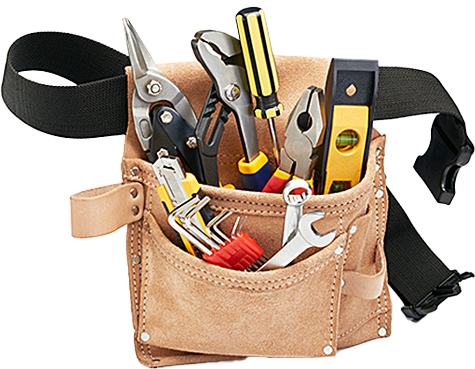
Embarking on an icemaker line install requires a comprehensive checklist of tools and materials to ensure a smooth process. Before starting, gather a tubing cutter for precise cuts, especially important when working with copper tubing. A wrench and screwdriver are essential for tightening connections and securing the water line to the refrigerator. This preparation in Richardson sets the stage for a successful installation, minimizing the risk of delays or mishaps.
Choosing the right materials is equally crucial for a leak-free icemaker line install. High-quality copper or plastic tubing, depending on your preference, should top your list. Don’t forget to include fittings compatible with your tubing choice and plumber’s tape to seal threaded connections securely. Residents in Carrollton know that investing in quality materials upfront can save time and money by preventing future leaks.
Including a shutoff valve and water hammer arrestor in your materials checklist can safeguard your home against water damage. The shutoff valve allows for easy maintenance and quick response in case of a leak, while the water hammer arrestor protects your pipes from shockwaves caused by the icemaker’s valve closing. These components are vital for maintaining a stable and secure water line to your refrigerator.
Finally, conducting a thorough review of your tools and materials before starting the install ensures everything is at hand. Double-checking your list against the requirements of your specific icemaker model can prevent any unforeseen issues during the installation process. Whether in Richardson or Carrollton, being well-prepared is the key to a hassle-free icemaker line install, guaranteeing years of enjoyment from your ice maker.
Common Mistakes to Avoid During Installation
During an icemaker line install, one common mistake is neglecting to fully turn off the water supply. This oversight can lead to water flooding the area, complicating the installation process. In Richardson, ensuring the main water valve is completely shut off is crucial before starting any work. This simple step can prevent unnecessary water damage and make the installation smoother.
Another frequent error is using the wrong size fittings for the tubing. Whether it’s copper or plastic tubing, matching the fittings precisely is essential to avoid leaks. In Carrollton, homeowners should double-check the compatibility of their tubing and fittings. A mismatch can lead to poor connections and potential leaks, undermining the efficiency of the icemaker.
Failing to test the icemaker line for leaks after installation is a step often skipped. It’s vital to run the water and observe for any signs of leakage at the connections. This practice ensures that everything is sealed correctly and working as it should. Catching and addressing any leaks immediately can save a lot of trouble down the line.
Lastly, overlooking the importance of regular maintenance is a mistake that can lead to long-term issues. Even after a successful icemaker line install, inspecting the line and connections periodically for wear or damage is key. This proactive approach helps identify potential problems before they escalate, ensuring the icemaker continues to function efficiently and reliably.
How to Maintain Your Icemaker Line for Longevity
Maintaining your icemaker line after installation is crucial for ensuring its longevity and reliability. In Richardson, a simple yet effective maintenance step is to flush the line every six months. This removes any buildup of minerals or debris that could clog the line or affect the taste of your ice. Regular flushing keeps the water flowing smoothly and maintains the quality of ice produced.
In Carrollton, it’s important to inspect the line and connections for signs of wear or leaks. Even the smallest drip can lead to significant water damage over time. By checking the connections at both the refrigerator and the water supply, you can catch potential issues early. Promptly addressing any signs of leakage helps prevent water damage and maintains the efficiency of your icemaker.
Another key aspect of maintenance is to ensure the icemaker’s filter is changed according to the manufacturer’s recommendations. A clean filter not only ensures the purity of your ice but also protects the line from potential blockages. Changing the filter regularly contributes to the overall performance of your icemaker, ensuring you always have access to fresh ice.
Lastly, keeping the area around your refrigerator clean and free from clutter can help in early detection of any issues with the icemaker line. In both Richardson and Carrollton, ensuring there’s enough space around your fridge makes it easier to spot leaks and access the line for maintenance. This proactive approach not only aids in maintaining your icemaker line but also contributes to the appliance’s efficient operation and longevity.

Frequently Asked Questions
What tools are needed for an icemaker line install?
For an icemaker line install, you’ll need a few key tools. Start with an adjustable wrench and a tube cutter to ensure precise adjustments and cuts. A drill might be necessary for creating a passage through cabinets. Lastly, don’t forget Teflon tape to secure connections and prevent leaks. This toolkit will help you achieve a smooth installation process.
How long does icemaker line install take?
An icemaker line install typically takes a few hours to complete. First, the plumber measures and prepares the area, ensuring everything fits perfectly. Next, they connect the tubing and install the shutoff valve. Finally, they test the system for leaks, making sure your fridge is ready for use.
Can I install an icemaker line myself?
Installing an icemaker line by yourself is possible if you have the right tools and some DIY skills. However, it’s important to understand the steps involved and follow safety precautions carefully. Mistakes can lead to leaks or damage to your fridge and home. For peace of mind, consider hiring professionals like Benjamin Franklin Plumbing to ensure the job is done right.
What are common issues with icemaker line installs?
Common issues with icemaker line installs often include leaks at connection points, which can lead to water damage. Incorrect tubing size or material choice might also cause problems, affecting water flow and taste. Placement errors with the shutoff valve can make future repairs difficult. Lastly, inadequate insulation can result in the line freezing, disrupting ice production.
How much does an icemaker line install cost in Richardson?
The cost of an icemaker line install in Richardson varies based on factors like materials and labor. Typically, homeowners might spend a range to get professional service. Remember, choosing quality tubing and a skilled installer can prevent future expenses. Benjamin Franklin Plumbing offers reliable installations, ensuring your icemaker works perfectly from day one.