


Embarking on a greywater recycling setup journey can be both exciting and daunting for beginners. This innovative approach not only conserves water but also reduces the demand on municipal sewage systems, making it a smart choice for eco-conscious households. Whether you reside in the bustling city of Dallas, TX, or the quieter suburbs of Richardson, TX, understanding the basics of greywater recycling is essential. It’s a step towards sustainability that can make a significant difference in your home and community.
Greywater recycling involves reusing water from showers, sinks, and washing machines for irrigation and other non-potable purposes. Before diving into a greywater recycling setup, it’s crucial to familiarize yourself with the different system types available. Each system has its unique features and benefits, tailored to meet various household needs and preferences. By exploring these options, you can select the most suitable system for your home, ensuring efficiency and effectiveness in water reuse.
Legal considerations are also a key aspect of planning your greywater recycling setup. Regulations regarding greywater use vary significantly from one location to another, even within Texas. It’s important to research and comply with local codes and permits in Dallas, TX, or Richardson, TX, to ensure your system is legal and safe. This step not only protects you from potential fines but also ensures your system is environmentally responsible and sustainable.
Lastly, understanding plumbing tie-ins and maintenance requirements is crucial for a successful greywater recycling setup. Proper integration with your home’s plumbing system is essential for smooth operation and efficiency. Regular maintenance will keep your system running effectively, preventing issues and prolonging its lifespan. By keeping these considerations in mind, you can embark on your greywater recycling journey with confidence, contributing to water conservation efforts in your community.

Understanding Greywater and Its Benefits
Greywater recycling setup offers a practical solution for households aiming to reduce their water footprint. By reusing water from showers, sinks, and washing machines, families in Dallas, TX, can significantly cut down on their fresh water usage. This not only conserves precious resources but also lowers utility bills. As an added benefit, using less potable water for tasks like irrigation means more is available for essential uses.
Understanding the benefits of greywater recycling is crucial for anyone considering this eco-friendly approach. It reduces the strain on municipal sewage systems, which is particularly beneficial in areas prone to drought. In Richardson, TX, for example, residents can use greywater to maintain their gardens, promoting lush landscapes without tapping into limited freshwater supplies. This practice supports sustainability while keeping gardens green and thriving.
However, it’s important to approach greywater recycling with a well-informed mindset. Not all household water is suitable for recycling, water from toilets and kitchen sinks, for example, is considered blackwater due to its contamination levels. By focusing on the reuse of water from specific sources, households ensure their greywater recycling setup is safe and effective. This distinction helps in planning a system that aligns with both legal requirements and environmental goals.
Finally, embracing greywater recycling is a step toward a more sustainable lifestyle. It encourages households to be mindful of their water usage and to seek innovative ways to reduce their environmental impact. Whether you’re in Dallas, TX, or Richardson, TX, adopting such practices can lead to a healthier planet. By understanding and implementing greywater recycling, communities can move towards a more sustainable and water-wise future.
Types of Greywater Recycling Systems
Exploring the types of greywater recycling systems is a crucial step in setting up an efficient and effective system in your home. One popular option is the laundry to landscape system, which directs water from your washing machine to your garden. This system is relatively simple to install and doesn’t typically require a permit, making it an appealing choice for beginners. It’s a practical way to start saving water and benefiting your garden in Dallas, TX, without extensive modifications to your plumbing.
Another system worth considering is the branched drain system. This setup distributes greywater from showers and sinks to multiple outlets in your landscape through a series of pipes. The beauty of this system lies in its gravity-fed design, eliminating the need for a pump and reducing maintenance requirements. Homeowners in Richardson, TX, find this system effective for irrigating larger garden areas, as it efficiently reuses water from various sources.
For those seeking more advanced greywater recycling setups, integrated systems offer a comprehensive solution. These systems combine greywater recycling with rainwater harvesting, maximizing water conservation efforts. They require more investment and a deeper understanding of plumbing configurations but provide significant long-term water savings. Such systems are ideal for eco-conscious households ready to make a substantial commitment to reducing their water footprint.
Maintenance is key to ensuring the longevity and efficiency of any greywater recycling setup. Regular checks and cleaning of filters, as well as monitoring system performance, are essential tasks. By staying proactive about maintenance, you can avoid common issues and ensure your system continues to operate smoothly. Adopting a greywater recycling system is not just about installation but also about embracing a lifestyle of sustainability and conservation in your community.
Greywater Recycling Setup Legal Considerations
When embarking on a greywater recycling setup, it’s crucial to navigate the legal landscape carefully. In Dallas, TX, for instance, regulations might differ significantly from those in other areas, making it essential to understand local codes. Before installing a system, homeowners should research and obtain any necessary permits to ensure their setup complies with city and state guidelines. This proactive approach not only keeps you within legal boundaries but also ensures the safety and efficiency of your recycling system.
In addition to securing permits, familiarizing yourself with the specific requirements for greywater systems in your area is key. Some jurisdictions may have restrictions on the type of greywater that can be reused or the methods of distribution. For example, using untreated greywater for irrigation might be permissible in Richardson, TX, under certain conditions. Staying informed about these nuances helps in designing a system that meets legal standards and supports your conservation goals.
Maintenance and monitoring are also under the purview of legal considerations. Regular checks are necessary to comply with health and safety standards, preventing potential contamination of soil and groundwater. Establishing a routine for inspecting and cleaning your greywater system not only adheres to regulations but also extends the system’s lifespan. It’s a practice that ensures your setup remains an asset rather than becoming a liability.
Lastly, engaging with local water conservation initiatives can provide additional insights and support for your greywater recycling setup. Many communities offer resources and incentives to encourage sustainable practices, including greywater recycling. Taking advantage of these programs can help you navigate the legal landscape more effectively, ensuring your setup contributes positively to your community’s environmental goals. By staying informed and involved, you can make your greywater recycling journey a success.
Planning Your Greywater Recycling Setup
Planning your greywater recycling setup involves considering the layout of your home and garden. In Dallas, TX, homeowners should evaluate where greywater sources like showers and washing machines are located. This helps in designing an efficient system that minimizes the need for extensive plumbing modifications. By understanding the spatial dynamics, you can ensure a smoother integration of the greywater system into your existing infrastructure.
Choosing the right plants for your garden is another essential step in planning your greywater recycling setup. Certain plants thrive on greywater due to its nutrient content, while others may be sensitive to the soap and detergent residues. Researching and selecting greywater-tolerant plants will enhance the effectiveness of your system. This approach not only conserves water but also contributes to a lush, vibrant garden in Richardson, TX.
Incorporating a filtration system into your greywater recycling setup can significantly improve water quality for irrigation. Simple filters remove hair and larger particles, preventing clogs in the irrigation system. More advanced filtration options can further reduce contaminants, making the greywater safer for plant life. Ensuring clean greywater helps maintain the health of your garden and the efficiency of your recycling system.
Finally, educating yourself and your household about the proper use of greywater is crucial. Avoiding the disposal of harsh chemicals and non-biodegradable materials down the drains is important. This practice ensures that the greywater remains safe for reuse in your garden. By fostering a household culture of water conservation, you can maximize the benefits of your greywater recycling setup, making a positive impact on the environment.
Plumbing Tie-Ins for Greywater Systems
Integrating a greywater recycling setup into your home’s existing plumbing system is a vital step toward sustainability. In Dallas, TX, homeowners need to identify the most suitable points for connecting greywater pipes to their household plumbing. This involves pinpointing where greywater sources like showers and washing machines can be effectively tied into the garden irrigation system. Careful planning ensures minimal disruption to your home’s infrastructure and maximizes the efficiency of water reuse.
For those in Richardson, TX, considering the slope of your property is crucial when planning plumbing tie-ins. Gravity plays a key role in the flow of greywater from your home to your garden. By utilizing the natural incline of your land, you can facilitate the efficient movement of water without the need for additional pumps. This not only simplifies the installation process but also reduces the energy required to run your greywater recycling setup.
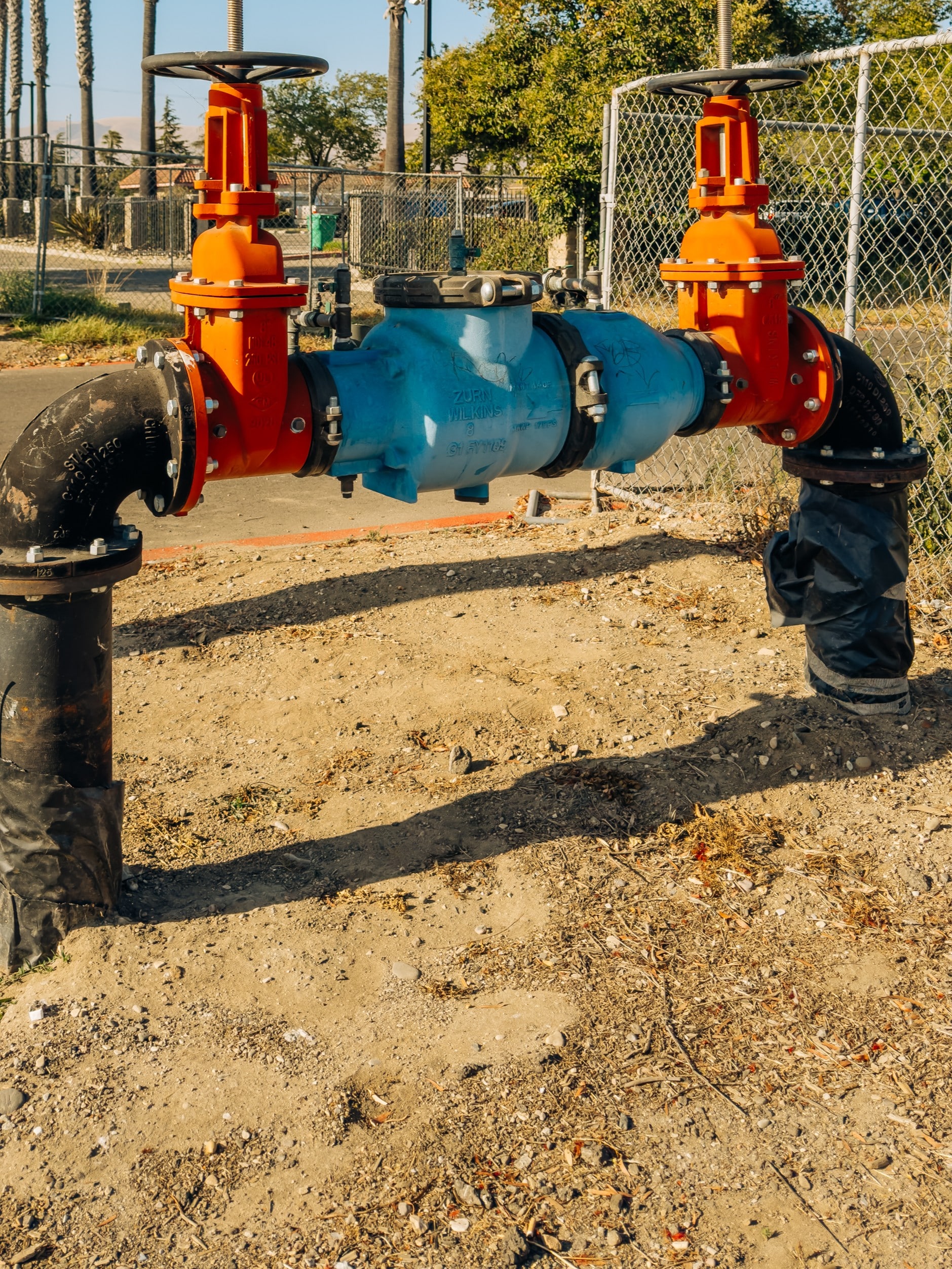
Incorporating backflow prevention devices is essential to protect your clean water supply. These devices prevent greywater from mixing with potable water, ensuring the safety and health of your household. It’s a critical component of the plumbing tie-in process that complies with health and safety standards. By installing these safeguards, homeowners can confidently utilize their greywater recycling setup without risking contamination.
Regular inspection and maintenance of plumbing tie-ins are key to the long-term success of your greywater recycling setup. Homeowners should schedule checks to ensure connections remain secure and leak-free. This proactive approach prevents potential issues and ensures your system continues to operate effectively. By maintaining the integrity of your plumbing tie-ins, you contribute to the sustainability of your garden and the efficiency of water use in your home.
Essential Maintenance Tips for Greywater Systems
Maintaining your greywater recycling setup is crucial for its longevity and efficiency. In Dallas, TX, homeowners should start by regularly cleaning out filters to prevent clogs that can hinder water flow. This simple step ensures that greywater moves smoothly through the system, reaching your garden without any obstacles. Keeping filters clean not only prolongs the system’s life but also maintains the quality of water being reused for irrigation.
Monitoring the system for leaks is another essential maintenance tip. Even a small leak can lead to significant water loss over time, undermining the water-saving benefits of your greywater recycling setup. Homeowners in Richardson, TX, can conduct periodic checks to catch and repair any leaks early. This proactive approach saves water and avoids potential damage to your property.
Adjusting your household’s water usage habits plays a key role in the success of your greywater recycling setup. Using biodegradable soaps and detergents minimizes the risk of harming plant life in your garden. By making eco-friendly choices, you ensure that the greywater is safe for irrigation, supporting a healthy and vibrant garden. It’s a simple yet effective way to enhance the environmental benefits of recycling greywater.
Finally, scheduling professional inspections can help identify issues that may not be obvious to the untrained eye. Experts can assess the system’s overall health and make recommendations for improvements or repairs. This ensures that your greywater recycling setup in Dallas, TX, continues to operate at its best, conserving water and supporting your garden. Regular professional input keeps the system efficient, safeguarding your investment in sustainable living.
Cost Analysis of Greywater Recycling Setup
Considering the benefits of a greywater recycling setup, homeowners often wonder about the costs involved. Initial investments include purchasing the system, which varies based on the type chosen and the complexity of installation. In Dallas, TX, for example, the price can also reflect local labor rates and any necessary permits. Understanding these costs upfront helps in planning a budget that accommodates both installation and future savings.
Ongoing maintenance costs are an integral part of the financial analysis. Regular tasks such as filter cleaning and system checks ensure the setup remains efficient. In Richardson, TX, the climate may influence maintenance frequency, potentially affecting annual expenses. Homeowners should factor in these recurring costs to get a complete picture of the financial commitment.
The savings generated by a greywater recycling setup can offset its initial and maintenance costs over time. By reducing the demand for municipal water, households see a decrease in their utility bills. This conservation effort not only benefits the environment but also leads to financial savings, making it an appealing choice for eco-conscious families in Dallas, TX.
Finally, considering the long-term impact on property value is important. Homes with sustainable features like a greywater recycling setup often attract environmentally aware buyers. This can enhance the property’s marketability and potentially increase its resale value, offering an additional financial benefit to homeowners in Richardson, TX. By analyzing these costs and benefits, individuals can make informed decisions about integrating greywater recycling into their homes.
Success Stories: Greywater Recycling in Action
Seeing greywater recycling setups in action can significantly inspire those considering this sustainable practice. In Dallas, TX, a family successfully halved their water bill by installing a system that reuses water from showers and laundry. Their garden thrives, demonstrating the practical benefits of greywater recycling. Their story is a testament to the system’s effectiveness and its impact on both the environment and household expenses.
Another success story comes from a community in Richardson, TX, where neighbors collaborated to implement greywater recycling setups in their homes. This collective effort not only fostered a sense of community but also transformed their local environment. Gardens are now more lush and vibrant, showcasing how shared sustainability goals can lead to widespread benefits. Their initiative serves as a model for other communities aiming to reduce their ecological footprint.
Educational institutions have also joined the movement, with a school in Dallas implementing a greywater recycling setup to irrigate its sports fields. This initiative not only conserves water but also serves as a practical learning tool for students. They witness firsthand the value of sustainable practices, gaining insights into water conservation that they can carry into the future. The project underscores the educational potential of greywater recycling, extending its impact beyond mere water savings.
Lastly, a small business in Richardson has received accolades for its innovative use of a greywater recycling setup. By reusing water from its operations, the company significantly reduced its environmental impact and utility costs. This example illustrates the versatility of greywater recycling, proving its viability across different settings. Stories like these highlight the tangible benefits of greywater recycling setups, encouraging more individuals and organizations to consider this sustainable option.
Frequently Asked Questions
What is greywater?
Greywater is water that has been used in household activities like washing dishes, laundry, and showering. Unlike sewage or blackwater, it doesn’t contain toilet waste, making it easier to treat and reuse. Many homeowners opt for a greywater recycling setup to save on water bills and reduce environmental impact. This system filters and redirects greywater for non-potable uses, such as irrigation and toilet flushing.
How does a Greywater Recycling Setup work?
A greywater recycling setup collects water from sinks, showers, and washing machines. It then filters this water to remove impurities. Next, the system redirects the cleaned water for use in garden irrigation or toilet flushing. This process conserves water and cuts down on utility bills, making it a smart choice for eco-conscious homeowners.
Can greywater be used for gardening?
Yes, greywater can be safely used for gardening. This recycled water nourishes plants by providing moisture without the use of fresh water. However, it’s important to use greywater that doesn’t contain harsh chemicals or cleaners. By doing so, you ensure that your garden remains healthy and your environmental footprint is minimized.
What are the benefits of Greywater Recycling Setup?
Installing a greywater recycling setup offers significant savings on water bills. It reduces the demand for fresh water by repurposing used water for irrigation and flushing toilets. This system also lessens the strain on municipal water treatment facilities. Moreover, it’s a step forward in eco-friendly living, supporting water conservation efforts.
Is greywater recycling cost-effective?
Yes, a greywater recycling setup is a cost-effective choice for many homeowners. It reduces the need for fresh water, lowering utility bills over time. The initial investment pays off by conserving water and supporting sustainability. Plus, it’s a smart way to add value to your property while saving the environment.