

A reliable battery backup pump offers a seamless solution, ensuring that basements remain dry even when the main power supply falters. This innovative system acts as a safeguard, protecting your home from the potential damages caused by flooding. It’s an essential tool for those looking to maintain their property’s integrity during unpredictable circumstances.
Understanding how a battery backup pump works is the first step towards a drier, safer basement. Essentially, it kicks into action the moment your primary sump pump system fails, either due to a power outage or other malfunctions. Powered by a battery, it operates independently of your home’s electrical system, providing peace of mind that your basement is protected around the clock. This autonomous functionality makes it a critical component of any home’s water management system.
Choosing the right battery type is crucial for ensuring your battery backup pump performs optimally. There are various options available, each designed to meet different needs and preferences. From maintenance-free batteries that offer convenience to deep-cycle batteries known for their long-lasting power, selecting the appropriate type is key to maximizing the efficiency of your backup system. Residents in Frisco can benefit from consulting with professionals to find the best fit for their homes.
Regular maintenance is essential to keep your battery backup pump in top condition, ensuring it’s ready to spring into action when needed. Simple steps like checking the battery’s charge level, cleaning the unit to prevent clogging, and testing the system periodically can significantly extend its lifespan. By adopting these maintenance tips, homeowners can rest assured that their basements will stay dry, even during the most severe power outages, safeguarding their homes and belongings against water damage.
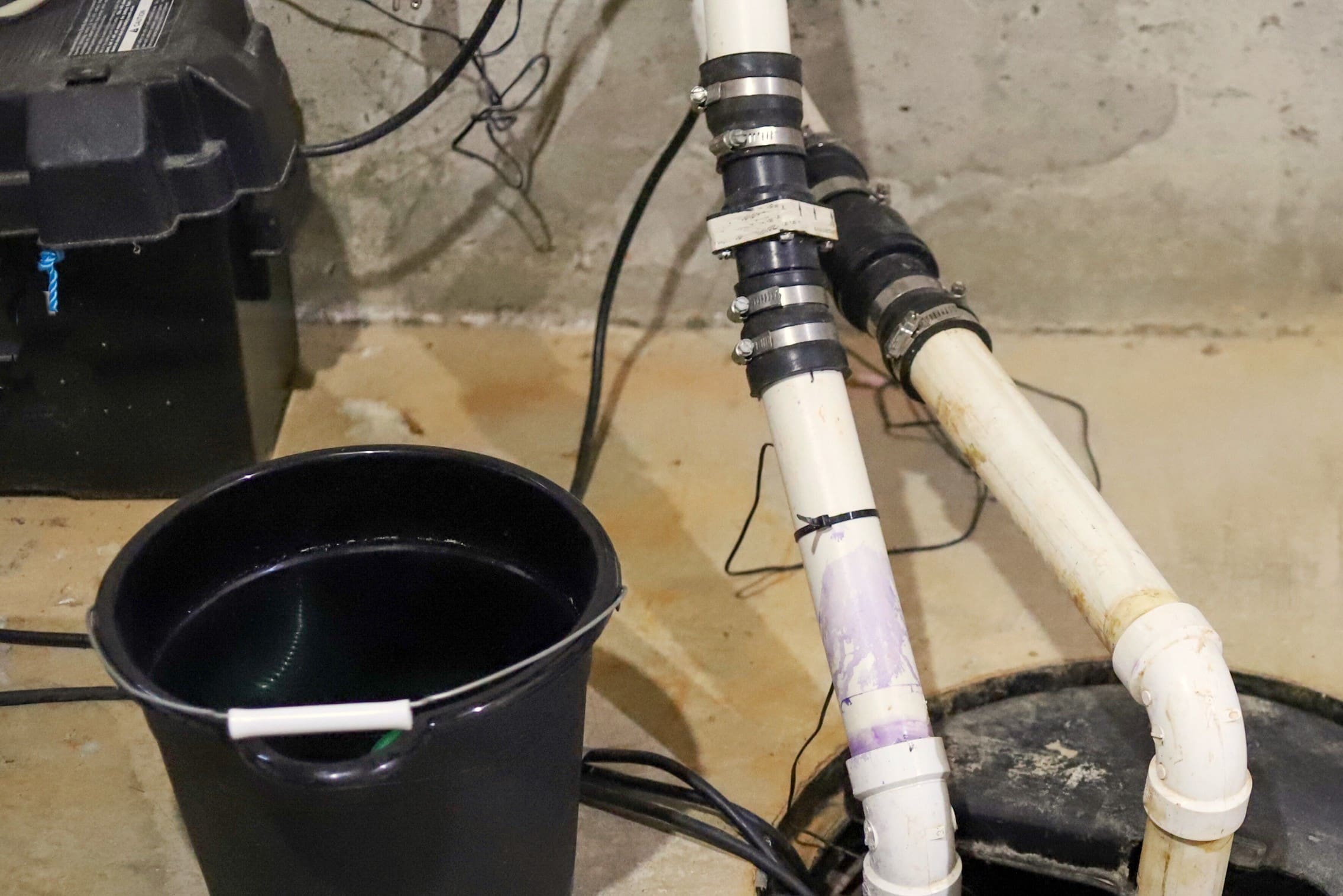
Understanding How a Battery Backup Pump Works
When a primary sump pump fails during a power outage, a battery backup pump becomes an indispensable ally. It automatically activates to keep water from accumulating in your basement, acting independently of the home’s electrical system. This ensures continuous protection against flooding, a crucial advantage for Dallas residents familiar with sudden weather changes. The ability to operate autonomously makes it an essential component for home safety and water management.
Battery backup pumps are designed with simplicity and reliability in mind. Once the system detects that the main pump is offline, it switches to battery power to maintain dry conditions. This seamless transition is vital during unexpected power losses, providing homeowners with peace of mind. Its design focuses on safeguarding your property without the need for manual intervention, ensuring a dry basement without hassle.
Choosing the right battery for your backup pump is a critical decision that impacts performance and reliability. In Frisco, where weather can be unpredictable, having a dependable battery means your pump is always ready to spring into action. Whether you opt for a maintenance-free battery for convenience or a deep-cycle battery for extended runtimes, the goal is to select a battery that meets your specific needs. This choice ensures that your backup system has the power to protect your home when it matters most.
To maximize the effectiveness of a battery backup pump, regular maintenance is key. Homeowners should check the battery’s charge status, clean the pump components to prevent blockages, and run tests to ensure the system functions correctly. These simple steps can significantly extend the life of your backup pump, guaranteeing that it performs optimally during crucial times. By maintaining your system, you ensure your basement stays dry, protecting your home and valuables from water damage.
Types of Batteries for Backup Pumps
For homeowners in Dallas considering a battery backup pump, understanding the different battery types available is crucial. Each type offers unique benefits, tailored to varying needs and situations. For example, maintenance-free batteries are ideal for those seeking ease of use, as they do not require regular water top-ups. Conversely, deep-cycle batteries are suited for prolonged power outages, providing consistent performance over extended periods.
In Frisco, selecting a battery with a high ampere-hour (Ah) rating can be particularly beneficial. This rating indicates the battery’s capacity to deliver a specific amount of current over a set period, essentially determining how long the battery backup pump can operate during an outage. A higher Ah rating means longer run times, ensuring that your basement remains dry, even during prolonged power failures. This is especially important in areas prone to severe weather conditions, where outages may last for hours or even days.
Additionally, considering the battery’s compatibility with your existing sump pump system is vital. Not all batteries are suitable for all types of pumps, and using an incompatible battery can lead to inefficient operation or even damage to the system. Homeowners should consult with professionals to identify the best battery type for their specific setup, ensuring optimal performance and reliability of their battery backup pump.
Lastly, while choosing the right battery is essential, regular maintenance cannot be overlooked. Even the best battery will underperform if not properly cared for. This includes keeping the terminals clean, ensuring the battery is charged, and replacing it before its expected end of life. By taking these steps, homeowners can maximize the efficacy of their battery backup pump, keeping their basements dry and their homes safe from water damage.
Installing Your Battery Backup Pump
Installing a battery backup pump is a proactive step towards safeguarding your home from water damage during power outages. This process begins with selecting the right model that fits your home’s specific needs, ensuring it can handle the volume of water your basement might encounter. Professionals can help with installation, positioning the pump correctly and securely to provide optimal protection. Their expertise ensures that the system integrates seamlessly with your existing sump pump setup, enhancing your home’s defense against flooding.
Understanding the installation process is crucial for Dallas homeowners. It involves connecting the battery backup pump to the primary sump pump system and ensuring the battery is properly installed and charged. This setup allows the backup pump to automatically activate when the primary pump fails, maintaining a dry basement without manual intervention. Homeowners can feel confident that their property is protected, even during unexpected power outages.
After installation, it’s important to plan for the battery’s runtime. This involves considering the typical duration of power outages in your area and the capacity of your battery. For Frisco residents, where weather conditions can lead to longer outages, choosing a battery with a higher ampere-hour rating is advisable. This preparation ensures that your basement remains dry, no matter how long the power is out, providing peace of mind during stormy seasons.
Regular maintenance is the key to ensuring your battery backup pump operates efficiently year-round. This includes periodic checks of the battery’s charge level, cleaning the pump and battery terminals to prevent corrosion, and testing the system to verify its readiness for emergency situations. By following these maintenance tips, homeowners can extend the life of their battery backup pump, guaranteeing a dry basement during power outages and protecting their homes from potential water damage.
Runtime Planning for Your Battery Backup Pump
Planning for the runtime of your battery backup pump is a crucial step in ensuring your basement stays dry during power outages. It’s important to assess the average length of power interruptions in your area and compare this with the capacity of your chosen battery. For those living in Dallas, where storms can suddenly cut power, selecting a battery with a robust ampere-hour rating is wise. This foresight ensures that your pump has enough energy to operate until electricity is restored.
In addition to selecting a battery with a sufficient runtime, homeowners should also consider the rate at which their pump expels water. This rate affects how long the battery will last during operation. A pump that works more efficiently might use less power, extending the battery’s runtime. Therefore, matching the pump’s capabilities with the right battery is essential for maximizing protection against basement flooding.
Frisco residents, in particular, might face longer power outages due to severe weather conditions, making runtime planning even more critical. By preparing for the worst-case scenario, you can choose a battery that offers the longest possible protection. This preparation includes understanding the specifics of your battery backup pump’s operation and how it interacts with your home’s needs. Such planning is key to ensuring your basement remains dry, no matter the weather.
Finally, regular testing of your battery backup pump’s runtime under simulated power outage conditions can offer peace of mind. This proactive approach allows homeowners to verify that their system is fully operational and capable of handling extended periods without power. By periodically checking the system’s performance, you can make any necessary adjustments to ensure your home stays dry during real-world power outages.
Maintenance Tips for Optimal Performance
To ensure your battery backup pump operates at peak efficiency, regular checks and maintenance are essential. Homeowners should make it a habit to inspect the battery’s charge level frequently, as a fully charged battery is crucial for the pump’s readiness during an outage. In Dallas, where weather can be unpredictable, this simple step can be the difference between a dry basement and costly water damage. Keeping the battery charged ensures your pump is always prepared to spring into action.
Cleaning the pump and its components is another vital maintenance task. Over time, debris and sediment can accumulate, potentially clogging the system and hindering its performance. Residents in Frisco can avoid this issue by cleaning their pump at least twice a year, especially before the storm season hits. This preventative measure not only extends the life of your battery backup pump but also maintains its efficiency when you need it most.
Testing the system regularly is an often-overlooked aspect of maintenance that can significantly impact the effectiveness of your battery backup pump. By simulating a power outage, you can ensure that the pump activates automatically and operates as expected. This test can reveal any issues that need addressing, allowing for repairs or adjustments before an actual emergency occurs. Such proactive testing gives homeowners peace of mind, knowing their system is reliable.
Lastly, keeping an eye on the overall health of your battery backup pump includes planning for eventual battery replacement. Batteries have a limited lifespan, and their performance can degrade over time, affecting the pump’s operation. By monitoring the battery’s condition and replacing it before it fails, you ensure continuous protection for your basement. This foresight prevents unexpected failures during critical times, safeguarding your home from water damage.
The Importance of a Battery Backup Pump During Outages
Understanding the significance of a battery backup pump during power outages cannot be overstated, especially in areas like Dallas, where weather patterns can quickly shift. This device acts as a critical line of defense, ensuring that homes remain safe and dry when the unexpected occurs. Its ability to function independently of the main power supply allows it to offer uninterrupted protection against flooding. For homeowners, this means less worry about water damage during storms or unexpected electrical outages.
In Frisco, where severe weather can lead to prolonged power disruptions, having a battery backup pump is akin to having a reliable safety net. It’s not just about keeping the basement dry; it’s about preserving the overall integrity of your home. The peace of mind that comes from knowing your property is protected during such events is invaluable. This system ensures that, despite the weather’s unpredictability, your home stands resilient against potential flood damage.
Maintenance of your battery backup pump is crucial for its efficiency and longevity. Regularly checking the battery’s charge, cleaning the system to prevent blockages, and testing its operation are all essential steps. These actions help ensure that, when the power goes out, your backup pump will perform as expected, providing continuous protection. By staying vigilant with maintenance, homeowners can avoid the pitfalls of water damage, securing their basements against the elements.
Ultimately, the role of a battery backup pump during power outages is indispensable. It offers a robust solution to a problem that can otherwise result in significant damage and expense. For residents of Dallas and Frisco, investing in such a system is a wise decision, one that safeguards their homes against unforeseen weather challenges. With a battery backup pump in place, homeowners can rest easy, knowing their basements will stay dry, no matter what Mother Nature has in store.
Comparing Battery Backup Pumps to Primary Sump Pumps
When comparing a battery backup pump to a primary sump pump, it’s essential to understand their distinct roles. A primary sump pump operates on your home’s electrical system, actively removing water from your basement to prevent flooding. However, during a power outage in Dallas, this system becomes inoperative. This is where a battery backup pump proves invaluable, as it continues to protect your home independently of the power supply.
Battery backup pumps offer an added layer of security against water damage. Unlike primary sump pumps that fail during electrical outages, these systems kick into gear, ensuring your basement remains dry. In areas like Frisco, where storms can knock out power unexpectedly, having a battery backup pump can mean the difference between a dry basement and costly repairs. It acts as a reliable safety net, providing continuous operation regardless of external conditions.
Maintenance requirements between the two systems also differ significantly. Primary sump pumps generally demand less frequent checks since they’re connected to the electrical system and have fewer components that can fail. On the other hand, maintaining a battery backup pump involves regular battery checks, ensuring the unit is clean, and verifying that it’s fully operational. These steps are crucial to guarantee that it will function correctly when needed most.
Ultimately, investing in a battery backup pump offers homeowners in Dallas and Frisco peace of mind. While primary sump pumps are effective under normal conditions, they’re not foolproof. A battery backup pump serves as an essential backup, ready to spring into action during power outages. This dual-layer approach to water management significantly reduces the risk of basement flooding, safeguarding your home against the unpredictable nature of severe weather.
Real-Life Success Stories of Battery Backup Pumps
In Dallas, a homeowner experienced firsthand the reliability of a battery backup pump during a severe thunderstorm that knocked out power for several days. The pump activated immediately after the power failure, preventing any water from accumulating in the basement. This real-life success story highlights the pump’s effectiveness in providing uninterrupted protection against flooding. It served as a testament to the importance of having a robust backup system in place.
Another resident in Frisco shared how their battery backup pump proved to be a game-changer during an unexpected power outage. Despite the heavy rain, their basement remained dry, thanks to the backup pump’s efficient operation. This experience not only saved them from potential water damage but also emphasized the pump’s role as a critical safety feature for their home. The homeowner praised the system for its seamless transition and reliable performance when it mattered most.
Across the neighborhood, stories of battery backup pumps coming to the rescue during power outages have become increasingly common. One family was particularly grateful for their investment in the system after it saved their newly renovated basement from flooding. The pump’s automatic activation and consistent operation throughout the outage provided peace of mind and significant savings in potential repair costs. Such success stories underscore the value of the backup pump in protecting homes against water damage.
These real-life examples from Dallas and Frisco illustrate the undeniable benefits of installing a battery backup pump. Homeowners who have experienced the pump’s reliability during power outages often share their positive outcomes, encouraging others to consider this essential safeguard. As more people recognize the pump’s effectiveness in keeping basements dry, the battery backup pump continues to gain popularity as a critical component of home water management systems.

Frequently Asked Questions
How does a Battery Backup Pump work?
A battery backup pump kicks in when the power goes out, ensuring your basement stays dry. It operates independently of your home’s electricity, using a battery as its power source. This system provides peace of mind during storms or unexpected outages. Regular maintenance ensures it’s always ready when you need it most.
What maintenance is required for backup pumps?
Maintaining your battery backup pump is key to ensuring it works when you need it. Check the battery level and clean the unit regularly to prevent clogs. Testing the system monthly by simulating a power outage can also help catch any issues early. Lastly, replace the battery every two to three years to keep the pump running smoothly.
Can a Battery Backup Pump handle heavy rain?
Yes, a battery backup pump is designed to handle heavy rain. It activates automatically during power outages to keep your basement dry. The system’s capacity depends on its model and the severity of the rainfall. For optimal performance, ensure the pump is well-maintained and the battery is charged.
How long do backup pumps last during outages?
The duration a battery backup pump can last during an outage varies. Typically, it runs for several hours, ensuring your basement remains dry. The actual runtime depends on the battery’s capacity and the pump’s workload. To maximize efficiency, regularly check and maintain your battery’s charge level.
What are the signs you need a backup pump?
If you notice water pooling in your basement after storms, it’s a clear sign you need a battery backup pump. Frequent power outages in your area also suggest investing in one to protect your home. A sump pump that struggles during heavy rain is another indicator. Lastly, if peace of mind during storms is important to you, a battery backup pump is essential.