

Are you frustrated with a bathtub drain stopper that’s either moving at a snail’s pace or stuck entirely? You’re not alone. Many residents in Dallas, Frisco, and Richardson face this common bathroom nuisance. Fortunately, understanding the types of stoppers and some quick fixes can often resolve the issue without much hassle.
The bathtub drain stopper plays a crucial role in your daily routine, effortlessly switching between holding water for baths and draining it away. However, when it starts acting up, it can turn a relaxing soak into a frustrating chore. Identifying the type of stopper you have is the first step towards a solution.
Quick adjustments can sometimes breathe new life into a sluggish or immovable bathtub drain stopper. Whether it’s a simple cleaning to remove hair and soap buildup or a minor tweak to the mechanism, these small actions can make a big difference. It’s surprising how often a little maintenance can restore full functionality.
However, there are instances when a full replacement is the better choice. If your bathtub drain stopper is beyond a quick fix, calling in professionals like those at Benjamin Franklin Plumbing in Dallas might be the best course of action. They can assess the situation and recommend the best solution, ensuring your tub returns to its fully operational state.
Understanding Different Types of Bathtub Drain Stoppers
Understanding the various types of bathtub drain stoppers is crucial for homeowners in Dallas, Frisco, and Richardson. The most common types include push-pull, toe-touch, flip-it, and trip lever stoppers. Each type operates differently, so identifying which one you have is the first step in troubleshooting problems. Knowing the type helps in applying the right fix, ensuring you don’t waste time on ineffective solutions.
Push-pull stoppers, as the name suggests, open and close by pushing or pulling the stopper top. They are straightforward and often easy to repair by tightening or cleaning. Toe-touch stoppers work similarly but are operated with a simple press of the toe. For both types, a quick clean or adjustment usually gets things moving again.
Flip-it stoppers, on the other hand, require no internal mechanisms and are toggled by flipping the stopper to one side or another. They are known for their ease of use and simplicity in maintenance. Trip lever stoppers, recognizable by the lever on the overflow plate, might need a bit more attention, often involving adjustment or replacement of the internal linkage.
When quick fixes don’t do the trick, it might indicate a need for replacement. Residents of Dallas, including those in Frisco and Richardson, should consider this a sign to consult professionals. A new bathtub drain stopper not only resolves the immediate issue but can also prevent future problems, ensuring a seamless bath experience.
Common Issues with Bathtub Drain Stoppers
Common issues with bathtub drain stoppers can range from minor annoyances to complete blockages that disrupt your daily routine. In some cases, the problem might stem from accumulated hair and soap scum that’s easily cleared with a bit of diligent cleaning. Other times, the issue could be with the stopper’s mechanism itself, requiring a more hands-on approach to adjust or replace parts that have worn out or become disconnected. Residents of Frisco encountering these issues might find that regular maintenance and quick checks can prevent most of these problems.
In Richardson, homeowners might notice their bathtub drain stopper not holding water as it should, a clear sign of a seal that’s not as tight as it needs to be. This could be due to a variety of reasons, such as a stopper that’s become misaligned or a seal that’s deteriorated over time. Simple adjustments to realign the stopper or replacing the seal can often restore its functionality. It’s a reminder of the importance of occasional inspections to ensure everything is working as intended.
Sometimes, the issue might be less about blockages and more about the stopper not opening fully, leading to slow drainage. This can be particularly frustrating when you’re in a hurry and need the tub to drain quickly. Adjusting the linkage in trip lever stoppers or ensuring that push-pull and toe-touch models are not stuck can improve water flow. These fixes are usually straightforward and can make a significant difference in how your bathtub drains.
However, when all else fails, it might be time to consider a full replacement of the bathtub drain stopper. This step ensures that any underlying issues are addressed, providing a long-term solution rather than a temporary fix. For residents in Dallas, consulting with professionals like those at Benjamin Franklin Plumbing can offer peace of mind, knowing that the replacement is done correctly and efficiently. A new stopper not only fixes current issues but also upgrades your bathtub’s functionality for years to come.
Quick Fixes for a Slow Draining Bathtub
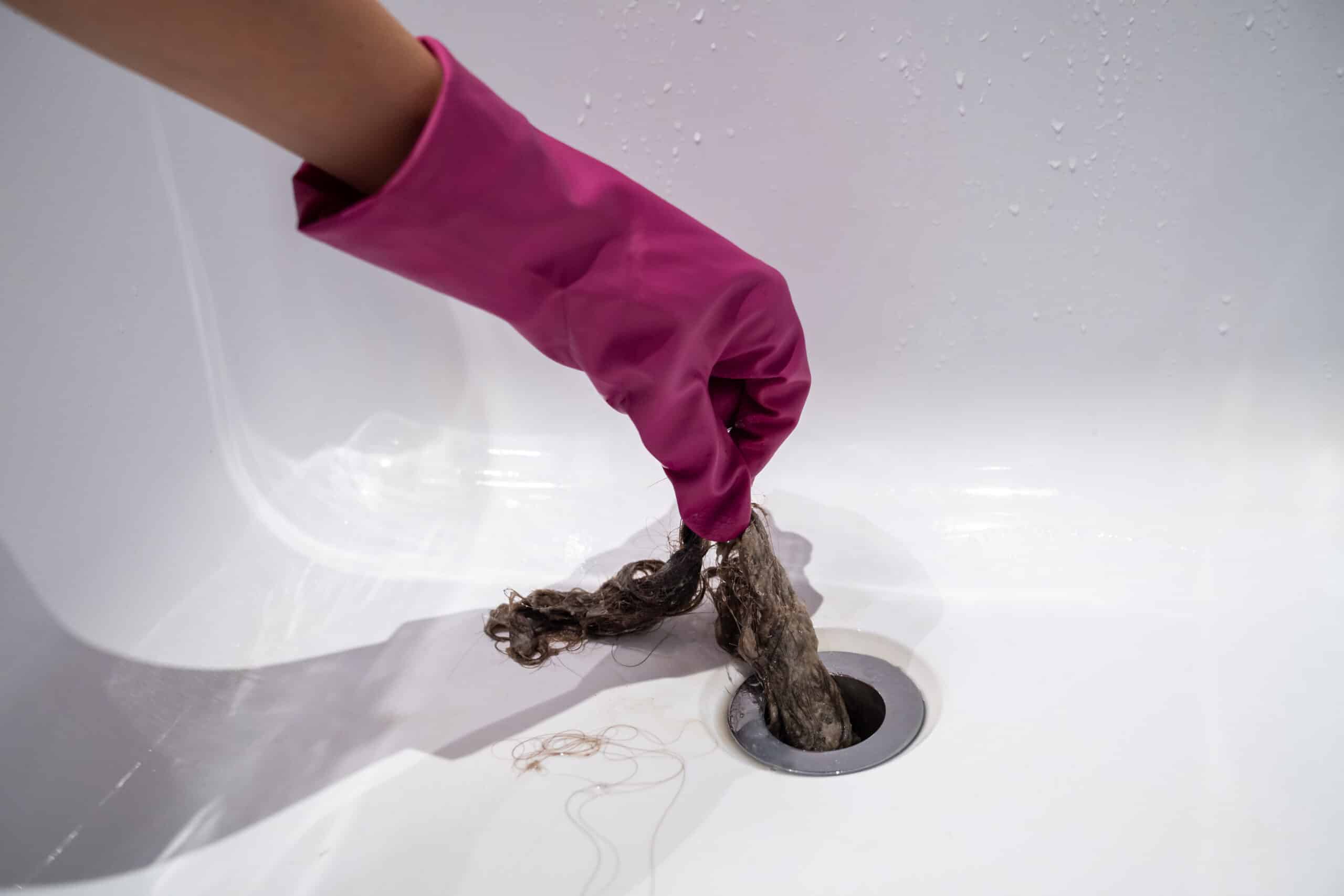
If your bathtub is draining slowly, a quick fix might be closer than you think. Often, the solution involves cleaning out the drain to remove hair and soap buildup, a common culprit in Frisco homes. This task can usually be done with household tools, saving the need for professional help. Regular cleaning keeps the water flowing smoothly, preventing future clogs.
In Richardson, adjusting the stopper’s mechanism might be the key to improving drainage. For push-pull or toe-touch stoppers, this could mean ensuring they’re correctly attached and moving freely. A simple twist or alignment can make a significant difference. These adjustments require minimal effort but can greatly enhance your bathtub’s functionality.
Sometimes, the problem lies with the overflow plate’s trip lever. If it’s not properly connected to the stopper, it can lead to slow draining or a tub that won’t hold water. Checking and adjusting the linkage can restore proper operation. This fix is straightforward and can be done without calling in professionals, offering a quick solution to a frustrating problem.
However, if these quick fixes don’t solve the issue, it might be time for a new bathtub drain stopper. A replacement can address the underlying problems causing slow drainage. Residents in Dallas will find that consulting with experts like Benjamin Franklin Plumbing ensures the job is done right, providing a lasting solution to their bathtub woes. A new stopper not only improves drainage but also upgrades the overall bath experience.
How to Adjust a Bathtub Drain Stopper for Better Performance
Adjusting a bathtub drain stopper often leads to better performance, ensuring that your bath time remains a relaxing experience. In Frisco, a common adjustment involves checking the tightness of the stopper mechanism. A loose stopper can often result in water leaking out or slow drainage. Tightening it with simple tools can make a significant difference, enhancing the seal and preventing water from escaping.
Sometimes, the solution lies in repositioning the stopper for optimal performance. Residents in Richardson might find that their bathtub drain stopper is not correctly aligned with the drain, causing slow drainage or difficulty in operation. Adjusting the position so that it sits flush with the drain can improve water retention and drainage speed, making your bathing experience more enjoyable.
For those experiencing persistent issues, lubricating the moving parts of the stopper mechanism can offer a smooth operation. A light application of a silicone-based lubricant to the pivot rod and linkage can prevent sticking, ensuring the stopper moves up and down freely. This simple step can greatly improve the functionality of your bathtub drain stopper, reducing frustration during use.
However, if after these adjustments the bathtub drain stopper still underperforms, it might indicate a deeper issue that requires professional attention. Consulting with experts like those at Benjamin Franklin Plumbing can help identify whether a replacement is necessary. They can provide a thorough assessment, ensuring that your bathtub drain stopper functions efficiently for a seamless bath experience.
Signs That Your Bathtub Drain Stopper Needs Replacement
When your bathtub drain stopper refuses to hold water despite adjustments and cleaning, it’s a clear indicator that a replacement might be necessary. This common issue, often encountered by homeowners in Frisco, can result from a damaged seal or wear and tear over time. A new stopper can provide a reliable solution, ensuring your tub retains water for a relaxing bath. Consulting with professionals can help you choose the right stopper for your needs.
In Richardson, if you notice your bathtub is draining slower than usual, even after clearing out any debris and making adjustments, the stopper might be at fault. Slow drainage can be a sign of a stopper that no longer fits properly or has become inefficient due to damage. Replacing the bathtub drain stopper can significantly improve water flow, enhancing your overall bathing experience. It’s a straightforward fix that can have immediate benefits.
Frequent clogs are another telltale sign that your bathtub drain stopper may need to be replaced. When hair and soap scum build up becomes a regular problem, it indicates that the stopper isn’t functioning as it should. A new, more effective stopper can minimize clogs, reducing the need for constant cleaning. This upgrade can save time and effort, keeping your bathtub ready for use without hassle.
Lastly, if your bathtub drain stopper is old and outdated, upgrading to a modern version can offer better performance and a refreshed look for your bathroom. Modern stoppers are designed with efficiency and aesthetics in mind, providing a seamless blend of functionality and style. For residents considering this update, professional installation ensures that the new stopper operates flawlessly, marking a significant improvement in your bathtub’s usability and appearance.
DIY Bathtub Drain Stopper Replacement Guide
Replacing a bathtub drain stopper by yourself can be a straightforward task with the right tools and a bit of know-how. First, identify the type of stopper you have in your Frisco home. This knowledge will guide you in purchasing the correct replacement. Ensure you have a screwdriver and pliers handy, as these tools are often needed for the job.
Begin by removing the old stopper, which might require unscrewing or twisting, depending on the model. In Richardson, homeowners should carefully inspect the drain for any debris or buildup once the stopper is out. Cleaning the area can prevent future clogs and ensure the new stopper functions properly. Be gentle to avoid damaging the drain.
Next, install the new bathtub drain stopper according to the manufacturer’s instructions. This often involves aligning it with the drain and securing it in place. Testing the stopper’s functionality by filling the tub with a small amount of water can help ensure it’s correctly installed. If the water holds without leaking, you’ve successfully replaced your stopper.
Finally, maintaining your new bathtub drain stopper is key to long-lasting performance. Regular cleaning to remove hair and soap scum will keep it functioning well. Residents in both Frisco and Richardson can benefit from this simple maintenance step, enjoying a fully operational bathtub without the need for frequent replacements.
Choosing the Right Bathtub Drain Stopper Replacement
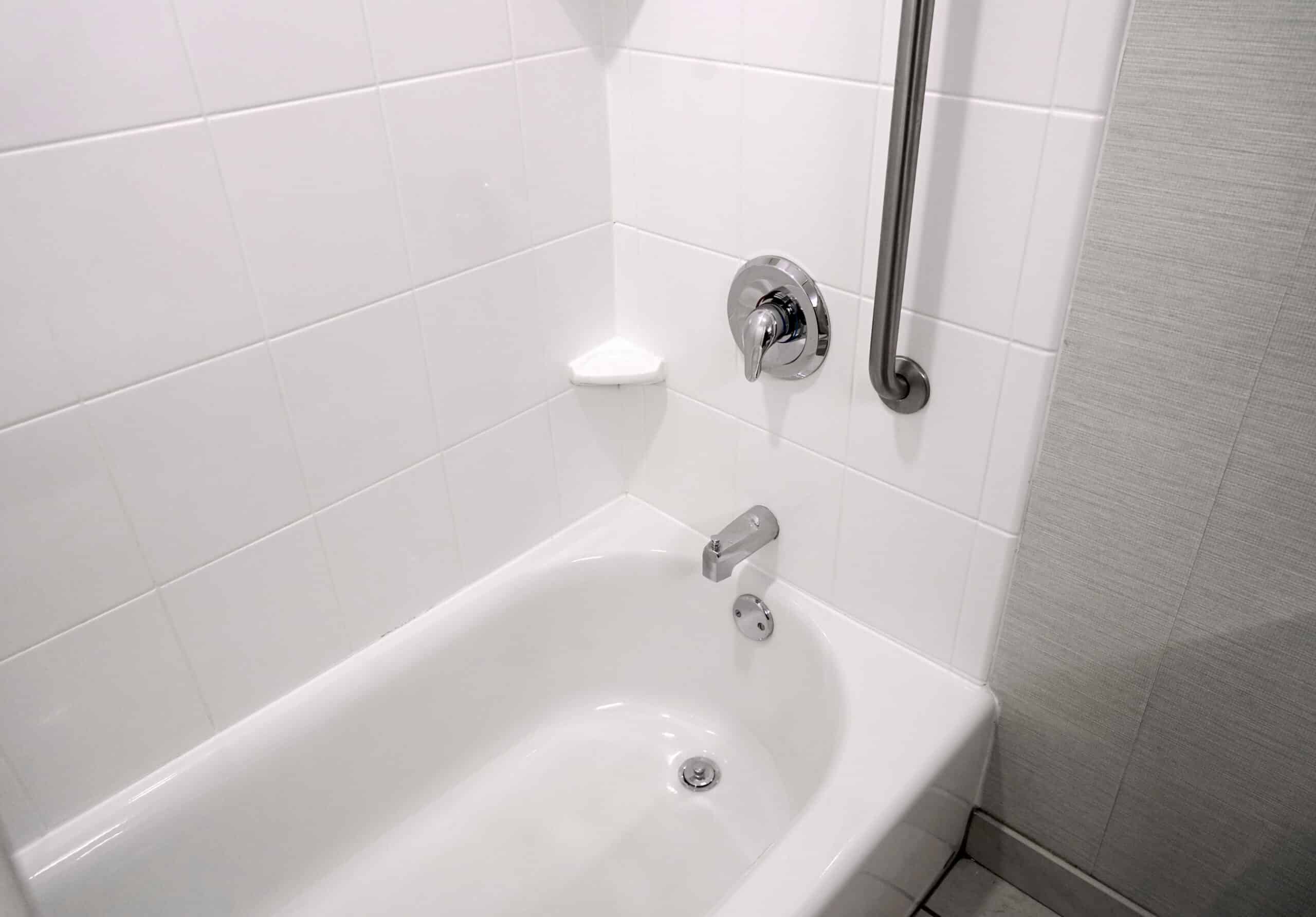
When it’s time to select a new bathtub drain stopper, considering the specific needs of your Dallas home is essential. Different types offer various benefits, whether you prioritize ease of use, maintenance, or aesthetic appeal. For instance, a push-pull stopper might be ideal for those seeking simplicity, while a flip-it model could suit those looking for minimal maintenance. Understanding these nuances ensures you make an informed choice that enhances your bathroom’s functionality.
In Frisco, homeowners should also think about the compatibility of the new stopper with their existing bathtub setup. Not all stoppers fit every type of drain, so checking the size and type of your current setup is crucial. This step prevents the inconvenience of purchasing a stopper only to find it doesn’t fit, saving both time and effort. It’s a simple but effective way to ensure a smooth replacement process.
Additionally, considering the material of the bathtub drain stopper can impact its longevity and appearance. Stainless steel stoppers, for example, offer durability and resist corrosion, while silicone or rubber models provide a tight seal but might need more frequent replacements. Residents in Richardson would do well to weigh these factors, choosing a material that balances aesthetics with practicality for their specific needs.
Finally, consulting with professionals like those at Benjamin Franklin Plumbing can provide valuable insights into the best bathtub drain stopper for your home. They can offer recommendations based on your bathtub’s age, style, and your personal preferences, ensuring a perfect match. This expert advice can be particularly beneficial, guaranteeing that your new stopper not only fits your tub but also enhances your bathing experience for years to come.
Professional vs. DIY: When to Call the Experts
Deciding between tackling a bathtub drain stopper issue yourself or calling in the experts is a common dilemma for homeowners. For those in Frisco, simple fixes like cleaning or minor adjustments often fall well within the DIY realm. However, when the problem persists despite these efforts, it might be time to seek professional help. Experts can diagnose deeper issues that aren’t immediately apparent to the untrained eye.
In Richardson, the complexity of the bathtub drain mechanism might intimidate some homeowners. While DIY solutions are tempting for their cost-saving appeal, they can lead to further complications if not done correctly. Professionals bring the right tools and expertise, ensuring that the job is done right the first time. This not only saves time but can also prevent additional expenses caused by incorrect fixes.
The decision to call professionals like Benjamin Franklin Plumbing should also consider the age and condition of your bathtub’s plumbing. Older systems might require more than a simple stopper replacement, possibly involving adjustments to the plumbing itself. In such cases, the expertise of a professional plumber ensures that your bathtub drain stopper and its related plumbing are in optimal condition, enhancing the overall functionality of your bathroom.
Ultimately, while DIY projects can be rewarding and cost-effective, recognizing when to call in the experts is crucial. For complex issues beyond the scope of basic maintenance or if the problem reoccurs, professional intervention offers a more reliable and long-lasting solution. Residents of Dallas, including those in Frisco and Richardson, can rely on the seasoned expertise of professionals to keep their bathtubs draining smoothly, ensuring a hassle-free bathing experience.
Frequently Asked Questions
How do I remove a Bathtub Drain Stopper?
Removing a bathtub drain stopper starts by identifying its type. Twist-and-pull stoppers come off by turning and lifting them. For push-pull models, pull up and unscrew counter-clockwise. If you have a flip-lever or toe-touch, simply lift or push with a bit of pressure. Always handle with care to avoid damage.
What causes a bathtub to drain slowly?
A slow-draining bathtub often results from a clogged or obstructed bathtub drain stopper. Hair, soap scum, and other debris can accumulate, restricting water flow. Regular cleaning can prevent these blockages. If issues persist, the bathtub drain stopper mechanism might need adjustment or replacement.
Can a stuck stopper cause drain issues?
Yes, a stuck bathtub drain stopper can indeed lead to drainage problems. When it fails to open properly, water cannot flow freely out of the tub. This issue often signals a malfunction within the stopper mechanism. To resolve it, inspecting and possibly adjusting or replacing the stopper is essential.
How to clean a Bathtub Drain Stopper?
To clean a bathtub drain stopper, first, remove it following the method suited to its type. Next, use a mixture of warm water and gentle soap to scrub away grime and buildup. For tougher deposits, a soft-bristled brush can be effective. Rinse thoroughly and replace the stopper to ensure smooth drainage.
Are there DIY fixes for a slow tub drain?
Yes, there are simple DIY solutions for a slow tub drain. First, try using a plunger to dislodge any blockage. If that doesn’t work, a mixture of baking soda and vinegar can help break down clogs. Rinse it down with hot water to clear the path. For persistent issues, checking and cleaning the bathtub drain stopper might be necessary.