

When it comes to maintaining a home in Dallas, TX, few things are as critical yet overlooked as the plumbing system. Among the key components of this system are the angle stops, which control the water flow to your sinks and toilets. However, like any part of your home, they can wear out over time, leading to unexpected and often costly surprises under your sink. Recognizing the signs of failing angle stops and understanding the importance of timely angle stop replacement can save homeowners a lot of trouble.
Angle stop replacement is not just about fixing a current problem, it’s about preventing future issues. In cities like Richardson, TX, where water quality and pressure can vary, the wear on these components can be accelerated. This makes it even more crucial to stay ahead of maintenance. Knowing when to call in professionals for angle stop replacement can be the difference between a simple fix and a significant water damage restoration project.
The process of replacing angle stops involves more than just swapping out old parts for new ones. Professionals in the field use this opportunity to inspect the overall health of your plumbing system, ensuring that there are no underlying issues that could cause problems down the line. This comprehensive approach to angle stop replacement ensures that residents in Dallas, TX, and surrounding areas can have peace of mind knowing their plumbing is in good hands.
Moreover, testing the newly installed angle stops is a critical step in the replacement process. This ensures that the installation was successful and that there are no leaks or pressure issues. For homeowners in Richardson, TX, and Dallas, TX, finding a reliable service provider for angle stop replacement means not only addressing the immediate issue but also safeguarding their homes against future plumbing emergencies.
Understanding Angle Stops and Their Importance
Angle stops play a pivotal role in your home’s plumbing system by managing water flow to essential fixtures. These small valves, often hidden from view, are crucial for preventing water damage and ensuring the smooth operation of your sinks and toilets. Over time, the relentless demand placed on these components can lead to wear and tear. Recognizing the early signs of failure, such as leaks or difficulty in turning the valve, is key to avoiding unexpected surprises under your sink.
In Dallas, TX, homeowners often overlook the maintenance of angle stops until problems arise. Regular inspections can identify issues before they escalate into major concerns. A professional plumber can assess the condition of your angle stops during a routine check-up. This proactive approach not only ensures the longevity of your plumbing system but also helps in maintaining water efficiency in your home.
The process of angle stop replacement is meticulous and requires expertise. Professionals begin by shutting off the main water supply to prevent flooding. They then remove the old valve, often using specialized tools to ensure a clean removal. The installation of a new angle stop involves precise adjustments to guarantee a perfect fit and optimal performance.
After installing a new angle stop, testing is crucial to confirm the success of the replacement. Plumbers in Richardson, TX, perform thorough checks for leaks and test water flow to ensure everything is functioning correctly. This final step is essential for providing homeowners with peace of mind, knowing their plumbing system is secure and reliable. Angle stop replacement, when done correctly, safeguards your home against potential water damage and contributes to the overall health of your plumbing system.
Signs Your Angle Stop May Need Replacement
Understanding when your angle stop may need replacement is vital for maintaining a functional and safe plumbing system in your home. One clear sign is a noticeable decrease in water pressure, which can indicate a blockage or malfunction within the valve itself. Another red flag is the presence of rust or corrosion on the valve body, common in areas like Dallas, TX, due to varying water qualities. These signs suggest that the integrity of the angle stop is compromised, making angle stop replacement a necessary step.
In addition to physical deterioration, hearing strange noises when the valve is in use can also signal trouble. Sounds like screeching or banging, often referred to as water hammer, point to potential issues with the internal components of the angle stop. Homeowners in Richardson, TX, experiencing these symptoms should consider consulting a professional. A timely response can prevent more significant problems, emphasizing the importance of recognizing these warning signs early.
Leaks around the angle stop are perhaps the most urgent indication that replacement is needed. Even small drips can lead to significant water damage over time, especially if the leak is hidden under a sink or behind a toilet. In such cases, the cost of neglect can far outweigh the expense of angle stop replacement. Addressing leaks promptly ensures that water damage and mold growth are avoided, protecting the home’s structure and the health of its occupants.
Finally, if turning the angle stop becomes difficult or it fails to completely shut off the water flow, it’s time to act. Difficulty in operation can stem from internal damage or sediment build-up, common in areas with hard water. Residents of Dallas, TX, facing these issues should not delay in seeking professional help. Angle stop replacement by a skilled plumber not only resolves the immediate problem but also safeguards your home against future plumbing emergencies, ensuring peace of mind and the continued efficiency of your plumbing system.
How Angle Stop Replacement Prevents Plumbing Disasters
Angle stop replacement stands as a crucial preventive measure against plumbing disasters in homes. By addressing the early signs of wear and tear, homeowners in Dallas, TX, can avoid the sudden and often costly surprises that come with a failed plumbing system. This proactive step not only ensures the smooth functioning of water flow but also significantly reduces the risk of water damage. It’s a strategic move that keeps your home safe and maintains the integrity of your plumbing infrastructure.
Professionals approach angle stop replacement with precision and care, ensuring that every new installation is a perfect fit. They understand the importance of a job well done, which in Richardson, TX, means safeguarding homes against the potential for future plumbing issues. The meticulous process involves not just the replacement but also a thorough check to make sure everything is in top shape. This attention to detail is what makes professional service invaluable for homeowners.
Testing the new angle stops is a critical step that follows their installation. It confirms that the replacement was successful and that there are no leaks or issues with water pressure. This test provides homeowners with the assurance that their plumbing system is reliable and ready to handle daily demands. It’s an essential part of the service that gives peace of mind, knowing that your home is protected from unexpected plumbing problems.
Ultimately, angle stop replacement is about more than just fixing a current issue, it’s about preventing future ones. Homeowners who take this step can rest easy, knowing they’ve taken a proactive approach to maintain their home’s plumbing system. This not only saves them from potential disasters but also ensures the longevity and efficiency of their plumbing. It’s a smart investment in the health and safety of your home.
The Angle Stop Replacement Process: A Step-by-Step Guide
Angle stop replacement begins with a professional plumber carefully shutting off the main water supply to your home. This initial step is crucial to prevent any water from leaking out during the replacement process. Next, the old angle stop is removed, a task that requires expertise to avoid damaging the surrounding pipes. The plumber then prepares the area for the new valve, ensuring a clean and ready surface for installation.
The installation of a new angle stop is precise work, demanding attention to detail. A professional uses specialized tools to secure the new valve in place, making adjustments as necessary to ensure a perfect fit. This process is critical in cities like Richardson, TX, where water pressure can vary, affecting how angle stops function. The right tools and expertise ensure the new angle stop is installed correctly, providing reliable water flow control.
After the new angle stop is installed, the plumber conducts a thorough inspection to check for any leaks. This step involves running water through the system to ensure everything is sealed properly. It’s a vital part of the process, especially in Dallas, TX, where small leaks can quickly lead to larger problems due to the city’s climate. Ensuring there are no leaks is essential for the longevity of the plumbing system and the safety of your home.
The final step in angle stop replacement is testing the new valve’s functionality. The plumber will turn the water supply back on, carefully observing how the angle stop and the connected fixtures respond. This test checks not only for leaks but also for proper water pressure and flow. Successful testing confirms the replacement was done correctly, giving homeowners peace of mind that their plumbing is in excellent condition.
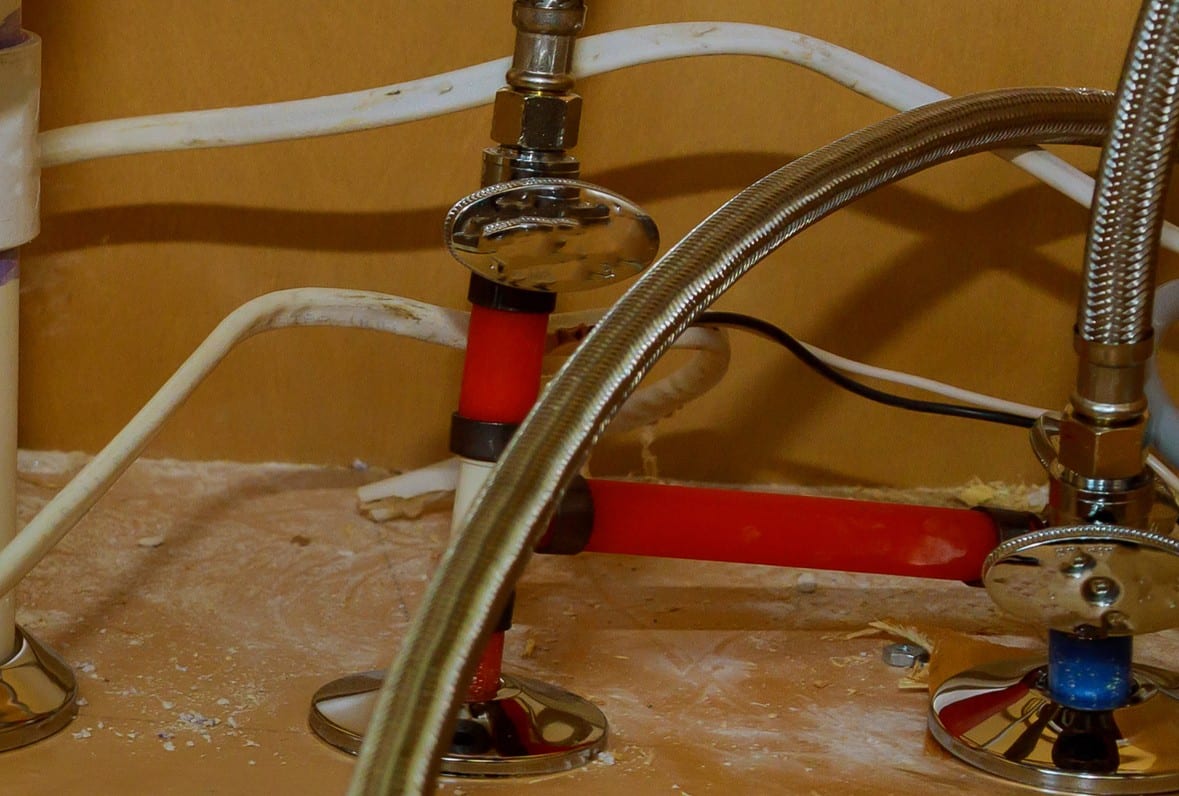
Choosing the Right Materials for Angle Stop Replacement
Choosing the right materials for angle stop replacement is essential for ensuring the durability and efficiency of your plumbing system. In Dallas, TX, where water conditions can vary, selecting high-quality materials can prevent frequent replacements and potential leaks. Professionals recommend brass or stainless steel angle stops for their longevity and resistance to corrosion. These materials stand up well to the local water quality, offering homeowners peace of mind.
When considering angle stop replacement, it’s crucial to match the new valve with your home’s specific needs. For instance, in Richardson, TX, where water pressure might be higher, a heavy-duty angle stop can provide better control and withstand the pressure. A professional plumber can assess your system’s requirements, ensuring the chosen material is compatible. This tailored approach helps maintain optimal water flow and pressure.
Installation techniques also play a significant role in the longevity of angle stops. Using the right tools and techniques, professionals ensure a secure fit, minimizing the risk of leaks. They apply Teflon tape or pipe dope to the threads, creating a watertight seal. This careful attention to detail during installation safeguards your home against water damage and contributes to the overall health of your plumbing system.
Finally, consulting with a professional plumber about the best materials for angle stop replacement guarantees a successful update to your plumbing system. They bring expertise and knowledge of local conditions in Dallas, TX, and Richardson, TX, ensuring your home is equipped with the most suitable and durable angle stops. By investing in quality materials and professional installation, homeowners can avoid under-sink surprises and enjoy a reliable plumbing system.
Common Challenges in Angle Stop Replacement
Despite the importance of angle stop replacement, homeowners often face challenges during the process. One common issue is dealing with old, corroded valves that are difficult to remove. In Richardson, TX, the water’s mineral content can accelerate corrosion, making the valves stick to their connections. Professionals must use specialized tools and techniques to safely remove these without damaging the pipes.
Another challenge arises from incorrect sizing or threading of the new angle stop. A mismatch can lead to leaks, which are problematic in any home, especially in Dallas, TX, where such issues can quickly escalate. It’s crucial for professionals to accurately measure and match the new valve to the existing plumbing to ensure a seamless fit. This precision prevents future leaks and guarantees the efficiency of the angle stop replacement.
Accessing the angle stop can also pose difficulties, particularly in tight spaces under sinks or behind toilets. Limited space not only makes the removal and installation process more complex but also increases the risk of accidental damage to surrounding areas. Professionals often have to navigate these cramped conditions with care, ensuring that the replacement is done correctly without causing any additional issues.
Lastly, ensuring the new angle stop works correctly with the home’s water pressure is essential. In areas like Richardson, TX, where water pressure may be higher, the newly installed valve must be capable of handling the stress. Testing the angle stop under actual conditions ensures it can manage the flow and pressure, providing homeowners with confidence in their plumbing system’s reliability.
Testing Your New Angle Stops: Ensuring Success
After the meticulous process of angle stop replacement, testing the new installations is a crucial next step. Professionals in Dallas, TX, ensure that each angle stop functions properly by conducting thorough tests. These tests include checking for leaks and assessing water flow, crucial for confirming the success of the replacement. This attention to detail ensures that homeowners can rely on their plumbing system without worrying about future surprises.
Testing involves not just a visual inspection but also a practical examination of how the angle stop handles water pressure. In Richardson, TX, where water pressure can be notably high, it’s essential to verify that the new angle stops can withstand the demand. Professionals adjust the water flow, making sure that the valve opens and closes smoothly. This process guarantees that the angle stop replacement provides both efficiency and durability.
Another key aspect of testing is observing how the new angle stops integrate with the overall plumbing system. It’s not enough for the angle stop to work in isolation, it must perform well with connected fixtures like sinks and toilets. By simulating everyday use, plumbers ensure that the angle stop replacement offers a seamless transition, enhancing the plumbing system’s reliability.
Finally, professionals provide homeowners with guidance on maintaining their new angle stops. This includes tips on monitoring for signs of wear and how to best maintain water pressure. With proper testing and maintenance advice, residents of Dallas, TX, and Richardson, TX, can enjoy peace of mind, knowing their plumbing is in top condition. This comprehensive approach to angle stop replacement and testing underscores the commitment to quality and customer satisfaction.
Maintenance Tips to Extend the Life of Your Angle Stops
After ensuring your angle stop replacement is correctly done, maintaining these components can significantly extend their lifespan and prevent future plumbing issues. In Dallas, TX, where water quality and pressure can vary, it’s advisable to regularly check your angle stops for any signs of wear or corrosion. This proactive step can help identify potential problems before they escalate, saving you from unexpected repairs. Simple actions like gently turning the valve to ensure it’s not stuck can make a big difference in maintaining its functionality.
In addition to regular checks, it’s crucial to keep the area around your angle stops clean and free from clutter. In Richardson, TX, where space under sinks might be used for storage, ensuring that household items do not press against the plumbing can prevent accidental damage. This practice not only protects the angle stops but also makes it easier for you to inspect them periodically. By maintaining clear access, you can quickly address any issues that arise, contributing to the overall health of your plumbing system.
Another useful maintenance tip is to operate the angle stops gently. Forceful turning can damage the valve, leading to leaks or failure. Educating everyone in your home on the importance of this can help preserve the angle stops’ integrity. Gentle handling ensures that these critical components can control water flow effectively, providing reliable service for years to come.
Lastly, considering the local water conditions in Dallas, TX, and Richardson, TX, installing water softeners can be a wise choice to protect your plumbing components, including angle stops, from hard water damage. Hard water can accelerate corrosion and sediment buildup, compromising the angle stops’ efficiency. By mitigating these risks, you can enhance the longevity of your plumbing system and reduce the need for frequent replacements, ensuring your home remains safe from water-related surprises.

Frequently Asked Questions
What is an angle stop?
An angle stop is a valve found under your sink. It controls the flow of water to your faucet or toilet. Over time, these can wear out, leading to leaks. That’s when angle stop replacement becomes essential to prevent water damage.
How often should angle stop replacement occur?
Angle stop replacement should happen every five to ten years. This timeframe helps avoid unexpected leaks and water damage. Regular checks by a professional can spot issues early. Ensuring these parts are in good condition keeps your plumbing running smoothly.
Can I replace an angle stop myself?
Replacing an angle stop might seem simple, but it requires specific plumbing knowledge. Many homeowners prefer to call professionals like Benjamin Franklin Plumbing to ensure the job is done right. Experts have the right tools and experience to replace angle stops without causing leaks. This way, you can avoid any under-sink surprises and ensure your plumbing remains in top shape.
What tools are needed for angle stop replacement?
For angle stop replacement, professionals use a few key tools. They start with an adjustable wrench to loosen and tighten connections. A pipe cutter ensures a clean cut on the pipe if needed. Plumbers also use Teflon tape to seal threads, preventing leaks. Lastly, a bucket catches any water that drips out during the process.
What are signs of a failing angle stop?
Signs of a failing angle stop include water leaks under the sink, a valve that won’t fully close or open, and rust or corrosion on the valve body. These issues can lead to unexpected water damage if not addressed promptly. Regular inspections can catch these signs early, making angle stop replacement a straightforward task. Trusting professionals like Benjamin Franklin Plumbing ensures your plumbing stays in excellent condition, avoiding any under-sink surprises.