

When it comes to modern home improvements, tankless water heaters stand out for their efficiency and convenience. However, understanding tankless sizing basics is crucial to ensure you get the most out of this technology. Whether you’re living in the bustling city of Dallas or the quieter neighborhoods of Richardson, choosing the right tankless water heater can significantly impact your daily comfort and utility bills. This introduction aims to guide you through the key factors of temperature rise and flow rates in selecting the perfect unit for your household demand.
Tankless water heaters, unlike their traditional counterparts, provide hot water on demand without the need for a storage tank. This means that tankless sizing basics are fundamentally different, focusing on how much water can be heated instantly rather than how much can be stored. For residents in Dallas, where temperatures can vary, this distinction is especially important to understand. It ensures that your household never runs out of hot water during those crucial morning routines or while hosting guests.
The concept of temperature rise is central to tankless sizing basics. It refers to the difference between the incoming cold water temperature and the desired hot water temperature. In cities like Richardson, where winter temperatures can dip, knowing how to calculate the necessary temperature rise for your home is essential. This calculation will help you choose a tankless water heater that meets your family’s needs without overburdening your energy consumption.
Lastly, flow rate plays a pivotal role in tankless sizing basics. It measures how much hot water your household uses at peak times, such as early mornings or late evenings. By understanding the flow rates of your showers, faucets, and appliances, you can select a tankless water heater that ensures a steady supply of hot water to all necessary outlets. This knowledge empowers Dallas and Richardson homeowners to make informed decisions, balancing comfort with efficiency in their daily lives.
Understanding Tankless Sizing Basics
To dive deeper into tankless sizing basics, let’s start with understanding how temperature rise affects your choice. For instance, in Dallas, where the climate can shift, the incoming water temperature might be cooler in winter. This means your tankless water heater needs to work harder to reach the desired warmth. By calculating the temperature rise needed based on your local climate, you ensure your system efficiently meets demand without wasting energy.
Flow rate is another critical factor in tankless sizing basics. It’s about knowing how much hot water your household consumes when all taps and appliances are in use. Consider the mornings when showers, dishwashers, and washing machines might all operate simultaneously. Selecting a unit with the appropriate flow rate ensures that your home in Richardson, for example, maintains a continuous supply of hot water during peak usage times.
Understanding your household’s specific needs is essential to applying tankless sizing basics effectively. Start by listing all water fixtures and their average flow rates. Then, think about your family’s routines: Are multiple showers in use at the same time? This step helps you to grasp the total flow rate required, guiding you towards a tankless water heater that can handle your peak demand.
Finally, combining knowledge of temperature rise with your calculated flow rate gives you a clear picture of the ideal tankless water heater size for your home. This approach ensures that residents in Dallas and surrounding areas can enjoy the benefits of on-demand hot water without compromising on efficiency or experiencing shortages. Remember, the goal is to match your household demand with the right tankless unit, blending comfort with sustainability.
The Importance of Temperature Rise in Sizing
Grasping the importance of temperature rise is a key step in mastering tankless sizing basics. This factor is crucial because it directly influences the efficiency and performance of your water heater. For instance, in Richardson, the cooler winter temperatures mean your heater must work harder to raise the water temperature to your desired level. By accurately calculating the required temperature rise, you ensure your tankless unit is perfectly matched to your household’s needs, avoiding unnecessary energy use.
In Dallas, where the climate can vary significantly throughout the year, understanding how to adjust for temperature rise is essential. This adjustment ensures that your tankless water heater can consistently meet the demand, regardless of seasonal changes. It’s about finding a balance that ensures efficiency while guaranteeing that your morning shower is always warm. This balance is achieved by selecting a unit with the capacity to handle the specific temperature rise your home requires.
Moreover, the concept of temperature rise is not just about comfort but also about cost-effectiveness. A tankless water heater that’s too small for your Dallas home might struggle on colder days, leading to higher energy bills as it tries to keep up. Conversely, a unit that’s too large for your needs can result in unnecessary upfront costs and energy consumption. By focusing on tankless sizing basics, you can choose a heater that’s just right, ensuring optimal performance without overspending.
Finally, incorporating your understanding of temperature rise with the flow rate needs of your household forms a comprehensive approach to selecting the right tankless water heater. This method ensures that residents in cities like Richardson can enjoy the full benefits of on-demand hot water. It’s about creating a system that works seamlessly, providing comfort and efficiency without compromise. By paying close attention to these tankless sizing basics, you can make an informed decision that meets your household’s specific demands.
Calculating Your Home’s Flow Rate Needs
Calculating your home’s flow rate needs is a crucial step in applying tankless sizing basics effectively. To start, you’ll want to tally up the flow rates of all water fixtures in your home, such as showers, faucets, and appliances. This includes considering how many of these can be in use simultaneously, especially during peak times. By doing so, homeowners in Dallas can pinpoint the total flow rate required, guiding them toward a tankless water heater that can keep up with their household’s demands.
After identifying the total flow rate, compare it with the capabilities of different tankless water heaters. It’s important to choose a model that can handle your peak demand without faltering. This ensures that even when multiple showers are running alongside the dishwasher in a bustling Richardson household, everyone enjoys a steady supply of hot water. Making an informed choice helps avoid the frustration of cold showers or appliances running without hot water when it’s needed most.
Incorporating the previously calculated temperature rise with your flow rate needs allows for a more precise selection of a tankless water heater. This combination ensures that the unit not only meets the flow rate demands but also adjusts the water temperature efficiently. For residents in Richardson, this means selecting a heater that can comfortably provide warm water during the chillier months without excessive energy consumption.
Ultimately, understanding and applying tankless sizing basics, including calculating your home’s flow rate needs, leads to a smart investment. It ensures that your household in Dallas enjoys the convenience of hot water on demand, tailored to your specific usage patterns and climate conditions. By carefully considering both flow rate and temperature rise, you can choose a tankless water heater that offers both efficiency and reliability, making it a perfect fit for your home’s needs.
Factors Affecting Tankless Water Heater Capacity
Understanding tankless sizing basics extends to recognizing factors that affect a tankless water heater’s capacity. One such factor is the simultaneous use of multiple hot water appliances. For example, in a Dallas home where laundry machines, dishwashers, and showers might run at the same time, the demand on a tankless system increases significantly. Choosing a unit that can handle this simultaneous usage is crucial for maintaining a steady hot water supply.
Another important consideration is the size of your home and the length of piping. In larger homes, like those found in Richardson, water has to travel further, which can affect the temperature upon arrival. A tankless water heater with a higher capacity ensures that hot water reaches every tap in the house without losing heat. This is essential for comfort and efficiency, especially in sprawling households.
Seasonal variations in water temperature also play a role in tankless water heater capacity. During colder months, the incoming water temperature drops, requiring more energy to heat. Homeowners must select a heater that can adjust to these changes without compromising on performance. This adaptability ensures that homes in Dallas enjoy consistent hot water year-round, regardless of the season.
Lastly, the lifestyle and water usage patterns of a household influence the capacity needed from a tankless water heater. Busy families with high water usage during peak times need a system designed to meet that demand. By understanding these tankless sizing basics, residents can ensure their Dallas or Richardson home is equipped with a tankless water heater that matches their specific needs, blending efficiency with the luxury of on-demand hot water.
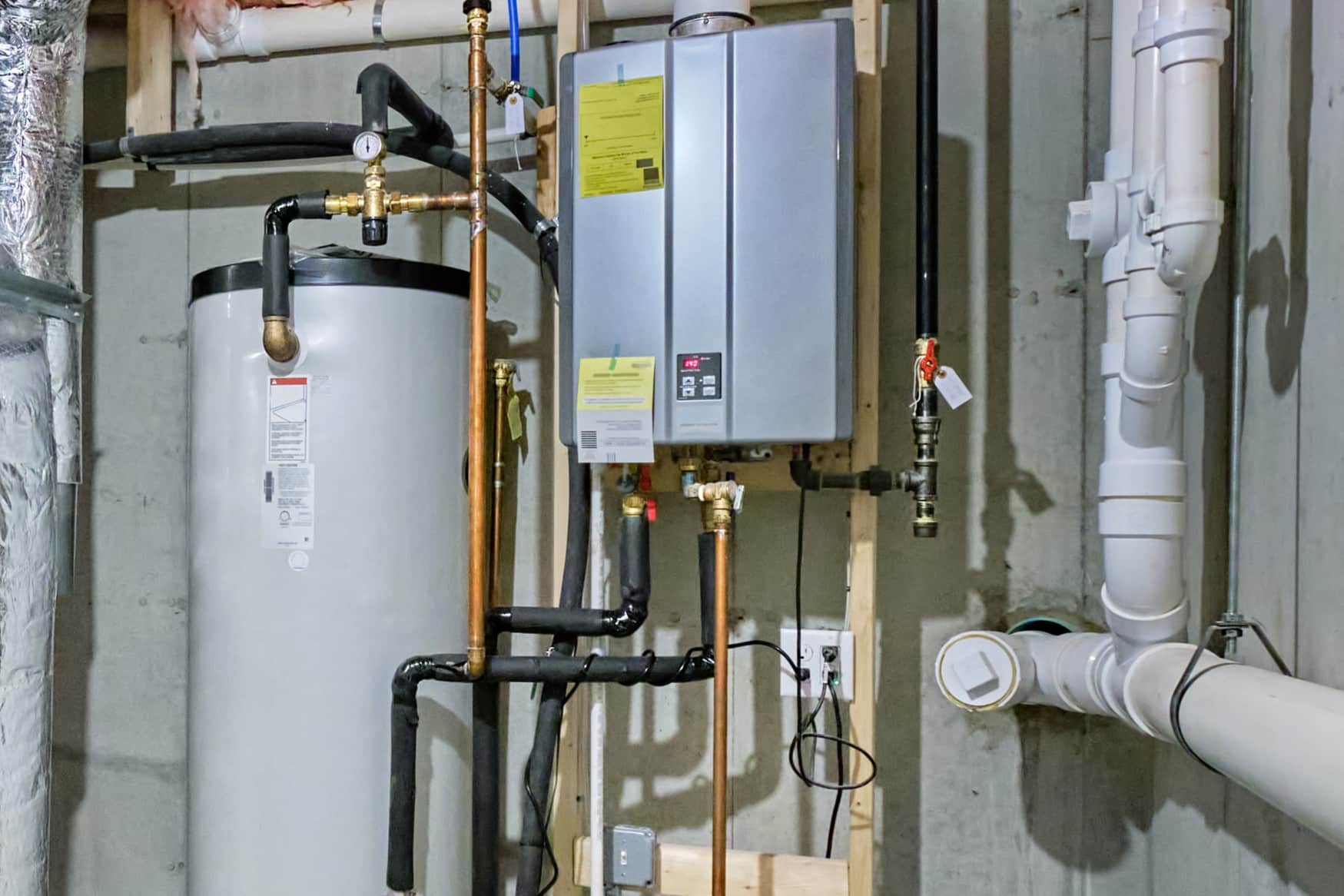
Tankless Sizing Basics: Choosing the Right Model
Choosing the right model is the next step in mastering tankless sizing basics, ensuring your Dallas home enjoys efficient and uninterrupted hot water. This decision hinges on understanding your home’s specific needs, factoring in the size, usage patterns, and climate influences. By evaluating these aspects, homeowners can pinpoint a model that not only fits their lifestyle but also optimizes energy consumption. It’s about finding that sweet spot where capacity meets demand without excess.
In Richardson, where space and lifestyle might differ from one household to another, the importance of selecting a model tailored to your home’s characteristics cannot be overstated. Consider the layout of your home and the typical water usage during peak hours to guide your choice. A model that’s too small might leave you in the cold, while one that’s too large could inflate your energy bills unnecessarily. Striking the right balance is key to achieving both comfort and cost-effectiveness.
Seasonal changes in Dallas mean that water temperature can vary significantly throughout the year, affecting your tankless water heater’s performance. A model that easily adjusts to these fluctuations ensures your home enjoys consistent hot water, regardless of the weather outside. This adaptability is crucial for maintaining efficiency and preventing the system from being overworked during colder months. It’s an investment in both your comfort and the longevity of the system.
Finally, understanding tankless sizing basics leads you to choose a model that not only fits your current needs but also anticipates future changes. Whether it’s accommodating a growing family in Richardson or upgrading appliances that use hot water, flexibility is a valuable feature. By selecting a versatile and adaptable tankless water heater, you ensure that your home remains equipped to provide hot water efficiently for years to come, adapting as your needs evolve.
Comparing Gas vs. Electric Tankless Water Heaters
When considering tankless sizing basics, it’s crucial to weigh the pros and cons of gas versus electric models. Gas tankless water heaters often offer higher flow rates, making them suitable for larger households in Dallas. They can handle multiple demands for hot water simultaneously, such as running showers and dishwashers at the same time. This capability ensures that families never have to compromise on comfort or wait for hot water.
Electric tankless water heaters, on the other hand, are known for their efficiency and smaller footprint. They are ideal for smaller homes or apartments in Richardson, where space might be limited. Electric models are easier to install and maintain, providing a convenient solution for those seeking to reduce their energy consumption. Plus, they operate quietly, adding to the comfort of your home environment.
In Dallas, where energy costs and environmental concerns are significant, choosing between gas and electric models becomes a matter of personal preference and household needs. Gas units might offer a lower operating cost for homes with high hot water demand. However, electric models appeal to those prioritizing sustainability and lower energy use. It’s important to consider both the initial installation costs and the long-term savings when making your decision.
Ultimately, mastering tankless sizing basics involves selecting a model that aligns with your household’s specific needs and preferences. Whether in Richardson or Dallas, understanding the differences between gas and electric tankless water heaters will guide you to the best choice for your home. By considering factors such as size, efficiency, and cost, you can ensure a steady supply of hot water tailored to your lifestyle, optimizing both comfort and energy consumption.
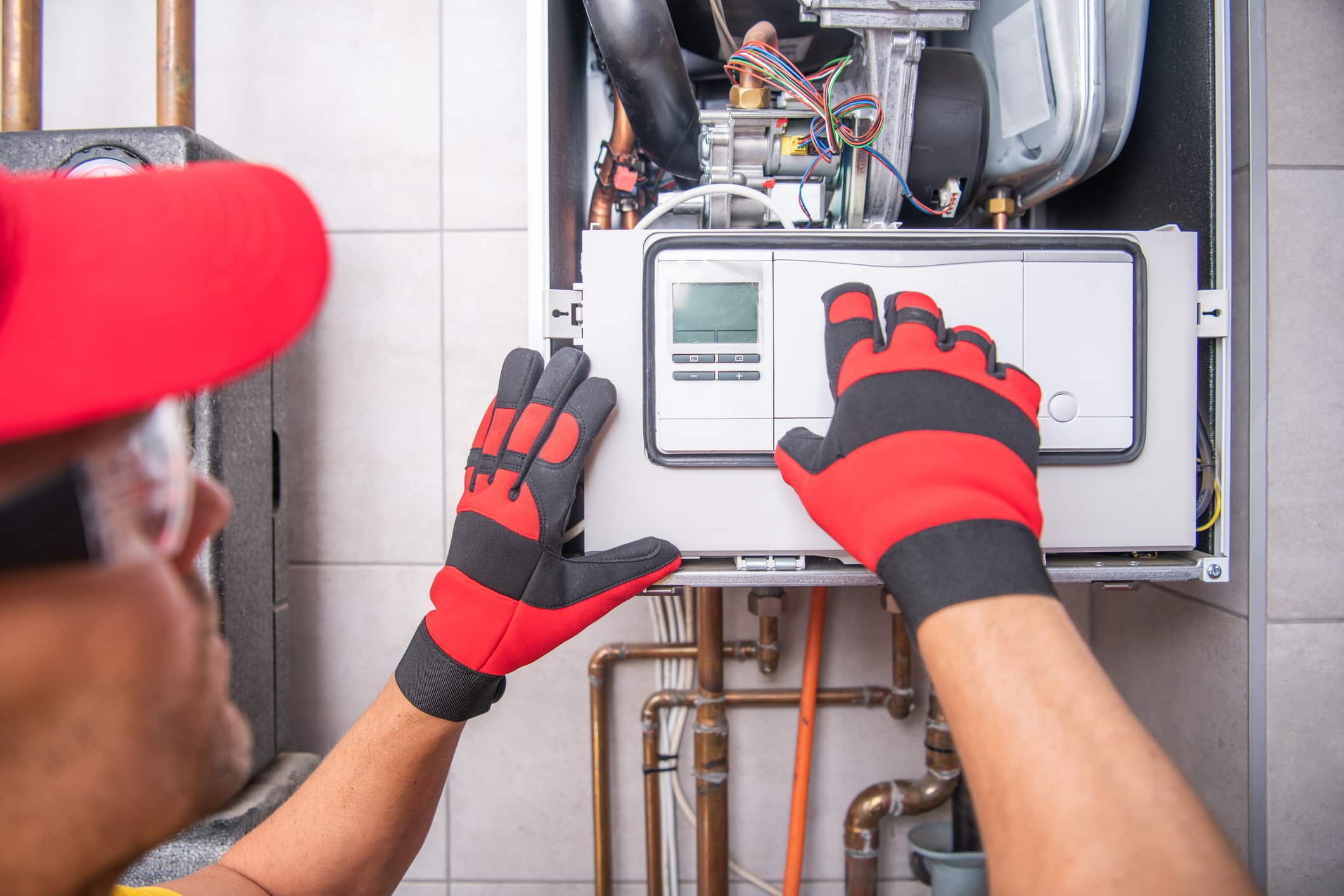
Installation Considerations for Tankless Systems
After choosing the right tankless water heater, considering the installation process is crucial. In Dallas, homeowners must think about the location of the unit. It should be easily accessible for maintenance and close enough to the main water usage points to ensure efficient operation. Proper installation ensures that the system works seamlessly, providing continuous hot water without delays.
In Richardson, the climate can influence where you install your tankless water heater. Outdoor installations require protection against freezing temperatures to prevent damage. Insulating pipes and choosing a model designed for colder climates can save you from unexpected issues. This step is vital for maintaining the efficiency and longevity of your system.
Another key consideration is the requirement for venting gas tankless water heaters. These units need to vent outdoors to safely dispose of exhaust gases. In Dallas homes, planning the vent path is important to meet safety standards and optimize performance. Professional installation ensures that venting is done correctly, keeping your home safe and your system running efficiently.
Finally, electrical and gas connections play a significant role in the installation process. Richardson homeowners opting for electric models need to ensure their electrical system can handle the load. Meanwhile, gas models require a proper gas line. Consulting with a professional ensures that your tankless water heater is installed correctly, providing reliable hot water while adhering to local codes and safety guidelines.
Maximizing Efficiency with Proper Tankless Sizing
Maximizing efficiency with your tankless water heater starts with understanding tankless sizing basics. By choosing a model perfectly matched to your household’s demand, you avoid the pitfalls of under or over-sizing. In Dallas, where energy efficiency is as important as comfort, selecting the right size means your heater works optimally, saving on energy bills. This approach ensures you get the performance you expect without wasting resources.
In Richardson, residents can enhance their tankless water heater’s efficiency by regularly assessing household water usage. Changes in family size or habits can affect demand, making it necessary to revisit your initial tanless sizing. Adjusting your water heating setup to reflect current needs helps maintain efficiency. It’s a proactive step towards ensuring your system remains aligned with your lifestyle, offering both comfort and cost-effectiveness.f
Another key to maximizing efficiency lies in the maintenance of your tankless water heater. Regular check-ups can prevent the buildup of minerals which might affect performance. In Dallas, where water hardness can vary, scheduling descaling sessions is crucial to keep your unit running smoothly. This not only prolongs the life of your heater but also ensures it operates at peak efficiency.
Lastly, for Richardson homeowners, integrating smart technology with your tankless water heater can offer further efficiency gains. Smart thermostats and energy monitors allow for precise control over water temperature and usage. By monitoring your consumption patterns, you can make adjustments that reduce waste and lower energy costs. This smart approach to managing your tankless water heater brings convenience and efficiency into harmony, making the most of modern technology.
Frequently Asked Questions About Tankless Sizing Basics
What are tankless sizing basics?
Understanding tankless sizing basics is crucial for ensuring your home has enough hot water. It involves calculating the temperature rise needed and the flow rate of all water fixtures. This calculation helps determine the right tankless water heater capacity for your household. By considering these factors, you can enjoy continuous hot water without oversizing your system.
How to calculate household hot water demand?
To calculate your home’s hot water demand, start by adding up the flow rates of all water fixtures. This includes showers, taps, and appliances that use hot water. Next, consider the average temperature rise needed from the incoming water to your desired hot temperature. By combining these figures, you can accurately determine the tankless sizing basics required for your household, ensuring you have a system that meets your needs without excess.
Can one unit support multiple bathrooms?
Yes, a single unit can support multiple bathrooms if sized correctly. When applying tankless sizing basics, consider the combined flow rates and temperature rise needed for all bathrooms. This ensures the unit can handle peak demand times efficiently. Proper tankless sizing guarantees that everyone enjoys hot water, even during simultaneous use.
What factors affect tankless sizing basics?
Several factors influence tankless sizing basics for your home. The number of water fixtures and their flow rates play a crucial role. Climate impacts the temperature rise needed, as colder incoming water requires more heating. Lastly, your household’s peak hot water usage determines the capacity needed for continuous supply.
Is a gas or electric model better for my home?
Choosing between a gas or electric model depends on your home’s specific needs. Gas models heat water faster and are more efficient during high demand. Electric units, however, are easier to install and generally have lower upfront costs. Consider your household’s hot water usage and installation requirements to decide which option aligns with your tankless sizing basics.